
Women all over the world benefit from a single dose of HPV vaccine
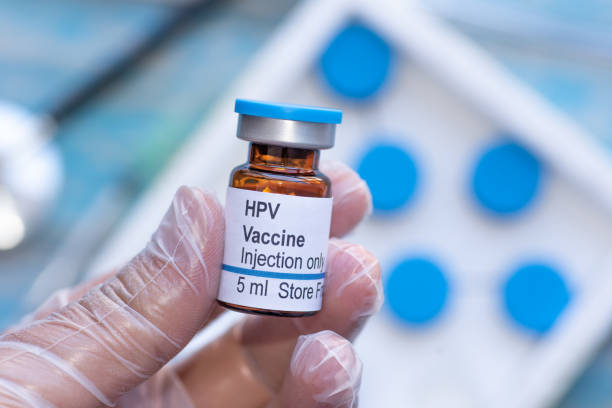
At some point during their lifetime, approximately 80 percent of people are estimated to contract the human papillomavirus (HPV). While many infections go unnoticed, certain strains of HPV can harm DNA and lead to various cancers, such as cervical, anal, and oropharyngeal cancers.
Cervical cancer is the fourth leading cause of cancer-related deaths among women worldwide, with 88 percent of cases occurring in low and middle-income countries (LMICs). Thankfully, most cervical cancer cases are preventable through vaccination.
The development of HPV vaccines has revolutionized the battle against this virus. Extensive research has shown that these vaccines are highly effective in preventing infections and subsequent cancers. However, as of 2021, only 13 percent of girls worldwide have been vaccinated.
Initially, the recommended vaccination regimen consisted of two or three doses for optimal protection. However, recent studies have demonstrated the remarkable effectiveness of a single dose, particularly in LMICs where implementing multi-dose vaccination programs presents numerous challenges. These challenges include high costs, complex logistics, and limited healthcare infrastructure.
Our latest study, which involved over 800 women in Fiji, discovered that the HPV vaccine remained highly effective against two cancer-causing HPV strains for up to eight years after vaccination. The vaccine exhibited an 81 percent effectiveness rate against the two most common strains, HPV 16 and 18, which are responsible for approximately 70 percent of all cervical cancer cases in Fiji and globally.
This approach is supported by a recent high-quality trial conducted on Kenyan women aged 15-20 years. The study revealed that a single dose of the HPV vaccine demonstrated a similar efficacy (97.5 percent) to that of two or three doses 18 months after vaccination, in terms of preventing the detection of HPV types 16 and 18.
Furthermore, even in individuals previously exposed to HPV, other observational studies have indicated that a single dose significantly reduces the risk of developing pre-cancerous lesions.
These findings highlight the remarkable effectiveness of a single dose of the HPV vaccine and its potential to prevent the devastating consequences of HPV-related diseases. Five observational studies, including those conducted in LMIC settings, have also shown that a single dose provides similar protection against HPV types 16 and 18 compared to two or three doses.
The longest follow-up period assessing the effectiveness of a single dose against cervical dysplasia was 14 years following vaccination. Additionally, the longest follow-up period evaluating the duration of protection after a single dose against the detection of HPV was 12 years in a US observational study.
An earlier study conducted by our team in Fiji examined the immune response in women who received 0, 1, 2, or 3 doses of the vaccine. The study revealed that the immune response generated by a single dose can persist for many years, offering prolonged protection against HPV-related diseases.
Considering the similar immune response observed at 24 months following vaccination in the Kenyan clinical trial, it is likely that a single dose provides lifetime protection comparable to two or three doses.
The lower cost associated with a single-dose regimen makes vaccination programs more accessible and affordable, which can have a transformative impact in LMICs. By reducing the number of required doses, the financial burden on healthcare systems and individuals is significantly reduced.
This affordability improves the feasibility of nationwide HPV immunization campaigns and increases vaccine coverage, thereby ensuring a broader reach and greater protection against HPV-related diseases.
Furthermore, a single-dose schedule may enable more girls to receive the vaccine and protect more women, particularly given the global shortage of HPV vaccines until 2024. The logistical advantages of a single-dose vaccine also simplify the process of vaccine distribution and administration.