
Union Health Minister JP Nadda Leads Strategic Review of National Health Mission
The high-level meeting brought together key policymakers, including Union Ministers of State for Health & Family Welfare, Prataprao Jadhav and Anupriya Patel, as well as Suman K. Bery, Vice Chairman of NITI Aayog, and VK Paul, Member of NITI Aayog.
- By Newsdesk
- New Delhi
- Mar 05, 2025
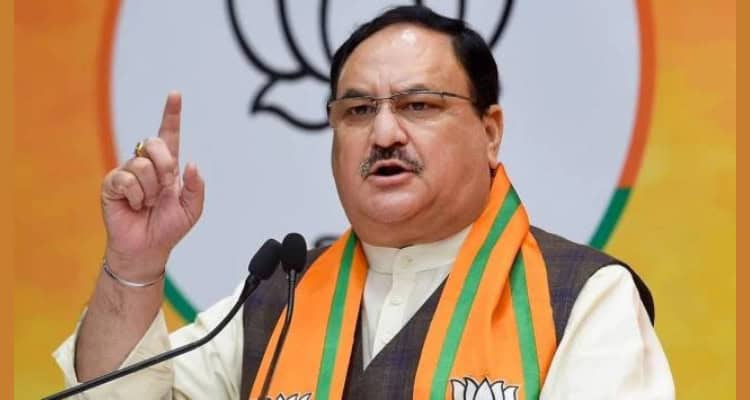
Union Health Minister JP Nadda chaired the ninth meeting of the Mission Steering Group (MSG) for the National Health Mission (NHM) on Tuesday at Bharat Mandapam in the national capital. The high-level meeting brought together key policymakers, including Union Ministers of State for Health & Family Welfare, Prataprao Jadhav and Anupriya Patel, as well as Suman K. Bery, Vice Chairman of NITI Aayog, and VK Paul, Member of NITI Aayog.
The MSG, recognized as the apex policy-making and steering body under NHM, plays a crucial role in guiding healthcare initiatives across the country. Senior officials from various ministries, including Health & Family Welfare, AYUSH, Drinking Water & Sanitation, Panchayati Raj, and Development of the North Eastern Region, were in attendance. Additionally, representatives from Women and Child Development, Social Justice & Empowerment, Education, Housing & Urban Affairs, and the Department of Expenditure participated alongside Health Secretaries from high-focus states such as Uttarakhand, Chhattisgarh, Arunachal Pradesh, and Tripura.
During the meeting, Nadda lauded NHM’s progress and acknowledged MSG’s contributions in ensuring the successful implementation of various healthcare programs. He underscored the importance of effective execution at the grassroots level, emphasizing the role of Chief Medical Officers (CMOs) in translating policy objectives into tangible healthcare outcomes. To address administrative challenges, he advocated for capacity-building initiatives and targeted training programs to enhance the efficiency and effectiveness of CMOs.
Recognizing the critical role of Accredited Social Health Activists (ASHAs) as the backbone of India's community healthcare system, Nadda emphasized the need for their continued empowerment. He proposed revising incentives and honorariums to acknowledge their contributions and improve their working conditions.
The meeting also reviewed advancements in health infrastructure, particularly the integration of new technologies such as BHISHM cubes (Bharat Health Initiative for Sahyog Hita & Maitri). The MSG assessed NHM’s achievements in recent years and outlined future goals, marking the first-time inclusion of the Pradhan Mantri-Ayushman Bharat Health Infrastructure Mission (PM-ABHIM) in discussions. Presentations detailed progress under NHM and PM-ABHIM, highlighting strategic initiatives aimed at bolstering healthcare accessibility and efficiency.
A key recommendation from the meeting was the need to strengthen internet connectivity at Ayushman Arogya Mandirs to facilitate seamless teleconsultations. Additionally, members stressed the importance of addressing obesity through AYUSH-based interventions, incorporating screening and management strategies within Ayushman Arogya Mandirs.
Discussions covered essential policy frameworks, financial norms, and operational strategies to enhance healthcare delivery. The overarching goal remained to ensure universal access to affordable and high-quality healthcare, reduce child and maternal mortality, stabilize population growth, and promote gender and demographic balance.
Nadda concluded the meeting by affirming that the decisions taken would strengthen healthcare delivery and drive impactful change at the grassroots level. He assured that feedback and recommendations from the session would shape future policy interventions, paving the way for a more robust and inclusive healthcare system in India.
(With inputs from ANI)