
Trump Strikes Landmark Agreements With Nine Pharma Giants to Cut U.S. Drug Prices
The agreements extend the “most-favoured-nation” pricing approach, under which these companies commit to sell drugs to state Medicaid programs at prices no higher than the lowest paid by comparable foreign markets. They have also agreed that all future medications launched in the U.S. will follow the same pricing standard across commercial, Medicare, Medicaid and cash-pay customers.
- By Newsdesk
- New Delhi
- Dec 20, 2025
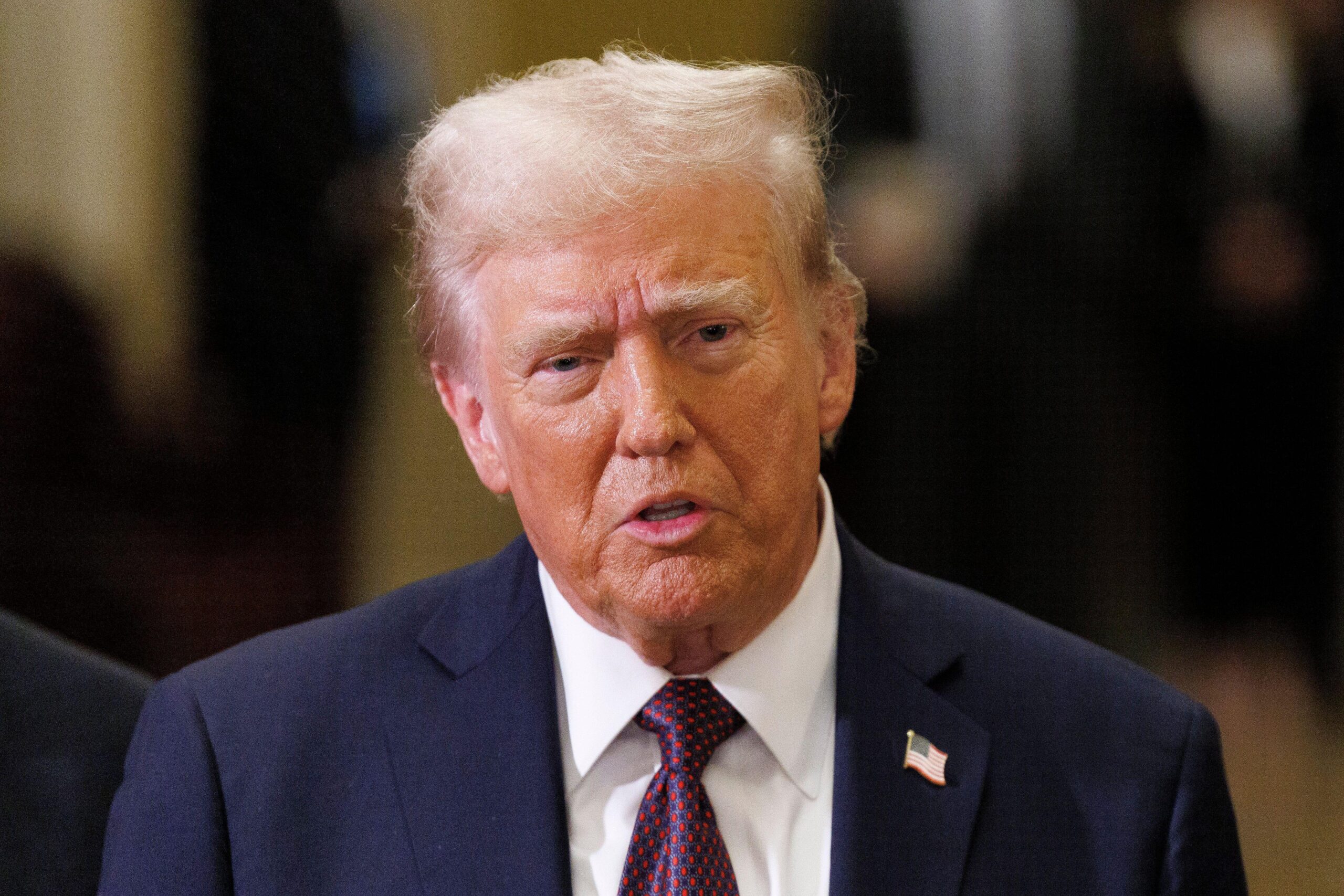
In a major push to tackle the high cost of prescription medications in the United States, President Donald J. Trump on Friday unveiled new agreements with nine of the world’s largest pharmaceutical companies that aim to significantly lower prices for American patients.
At a White House event, Trump said the deals struck with Amgen, Bristol Myers Squibb, Boehringer Ingelheim, Genentech (Roche’s U.S. arm), Gilead Sciences, GlaxoSmithKline, Merck, Novartis and Sanofi will bring down the cost of essential medicines by tying U.S. prices more closely to those paid in other affluent countries.
The agreements extend the “most-favoured-nation” pricing approach, under which these companies commit to sell drugs to state Medicaid programs at prices no higher than the lowest paid by comparable foreign markets. They have also agreed that all future medications launched in the U.S. will follow the same pricing standard across commercial, Medicare, Medicaid and cash-pay customers.
Significant Discounts and New Platform
Under the deals, companies will slash prices on widely used medicines treating conditions such as diabetes, heart disease, asthma and hepatitis, among others in some cases reducing costs by over 70% compared with current list prices when sold directly to patients through the forthcoming TrumpRx platform, which is expected to launch in early 2026.
For example, the cost of Sanofi’s blood thinner Plavix will drop dramatically for consumers using the TrumpRx system, while Merck plans deep discounts on diabetes treatments such as Januvia and Janumet. Several companies have also pledged to contribute active pharmaceutical ingredients to a national strategic reserve to help stabilize supplies of critical medicines.
Industry Investments and Incentives
As part of the package, the participating drugmakers have promised to invest more than $150 billion collectively in expanding U.S. manufacturing and research capacity. In exchange, they will receive a three-year exemption from new tariffs on their products, a key incentive that helped secure broad industry cooperation.
White House officials noted that these commitments mark significant progress in a broader effort to end what Trump has repeatedly called an unfair pricing system that forces Americans to pay far more for medications than patients in other wealthy nations.
Context and Next Steps
This announcement follows a series of similar pricing agreements reached earlier in 2025 with other major manufacturers, bringing the total number of big pharma companies on board to 14 of the 17 initially targeted by the administration.
While analysts say the full impact on patients’ out-of-pocket costs remains to be seen particularly for those with private insurance, the agreements represent a high-profile step in the ongoing national debate over healthcare affordability.