
Trump’s Tariff Decision May Hurt U.S. Healthcare More Than India, Say Pharma Leaders
“Any disruption in this supply chain will hit patients the hardest. The U.S. will struggle to replace Indian API and generic suppliers, and building domestic capacity or sourcing from alternative countries could take three to five years,” Namit Joshi, Chairman of Pharmexcil
- By Newsdesk
- New Delhi
- Jul 31, 2025
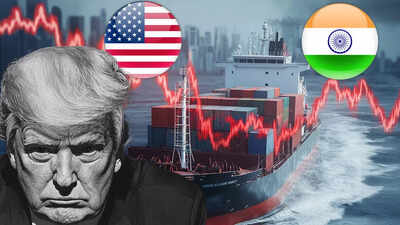
Top Indian pharmaceutical industry leaders have voiced sharp concerns over U.S. President Donald Trump’s recent announcement of a 25% tariff on Indian imports, warning that the move could backfire by significantly disrupting the American healthcare system.
While the decision appears to target India's economy, industry experts argue that its most immediate and damaging consequences may be felt within the U.S. itself—especially in the healthcare sector, which heavily relies on Indian pharmaceutical and medical exports.
“This move seems aimed at crippling the Indian economy, but it’s unlikely to succeed,” said Dilip Kumar, Chairman of Medical Tourism at the Chamber of Commerce. “We are major exporters of pharmaceuticals, medical equipment, and disposables, and a large share of these products are consumed in the American market. In reality, the U.S. is deeply dependent on Indian and Chinese supplies for its healthcare needs.”
Kumar added that the tariff hike could drive up the cost of medical treatments and procedures in the U.S., ultimately burdening American patients rather than Indian exporters. “If needed, we will pivot to Europe and other markets. Indian pharma is resilient—we’ve weathered tough times before and we’ll bounce back again.”
Echoing Kumar’s sentiment, Namit Joshi, Chairman of Pharmexcil (Pharmaceuticals Export Promotion Council of India), emphasized India’s indispensable role in the global supply chain for affordable medicines. “India currently supplies nearly 47% of the U.S.'s pharmaceutical needs, particularly in the generic segment. From oncology drugs and antibiotics to chronic disease treatments, Indian manufacturers ensure access to cost-effective, life-saving medications,” Joshi noted.
He warned that the imposition of tariffs could lead to immediate shortages and price hikes in essential drugs across the U.S., undermining the very system the move claims to protect. “Any disruption in this supply chain will hit patients the hardest. The U.S. will struggle to replace Indian API and generic suppliers, and building domestic capacity or sourcing from alternative countries could take three to five years,” he added.
Although uncertainty remains around whether the new tariff structure will extend to pharmaceutical imports—a sector previously exempted from similar measures in April—experts agree that any blanket implementation would have significant consequences.
Industry observers widely view the tariff move as a misstep that could destabilize a critical healthcare supply chain and strain bilateral trade relations at a time when global collaboration is essential for health security.