
Tobacco Identified as Leading Preventable Cause of Cancer in India, Say Experts
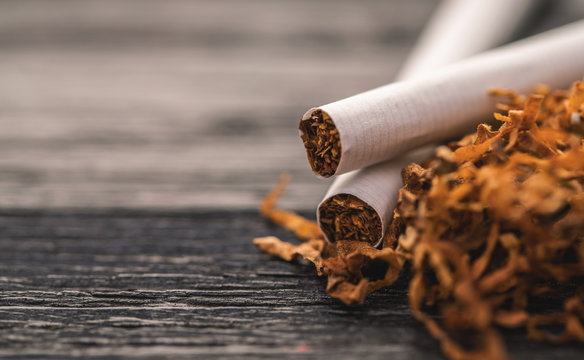
Tobacco consumption has emerged as the primary preventable cause of cancer in India, accounting for nearly 40% of cases, according to oncologists who spoke at a recent seminar. The discussion, held under the ‘Jagega Bharat Toh Bachega Bharat’ initiative by the Ambagopal Foundation, underscored the pressing need for awareness and lifestyle changes to curb the rising incidence of the disease.
- By Newsdesk
- New Delhi
- Feb 03, 2025
Tobacco consumption has emerged as the primary preventable cause of cancer in India, accounting for nearly 40% of cases, according to oncologists who spoke at a recent seminar. The discussion, held under the ‘Jagega Bharat Toh Bachega Bharat’ initiative by the Ambagopal Foundation, underscored the pressing need for awareness and lifestyle changes to curb the rising incidence of the disease.
Dr. Anil D’Cruz, a leading oncologist, highlighted the alarming rate at which cancer cases are increasing, particularly due to evolving lifestyles, environmental factors, and insufficient awareness. “One in five men and one in eight women in India face the risk of developing cancer. While the disease continues to claim millions of lives, it is largely preventable if people adopt healthier habits, avoid tobacco and alcohol, consume a balanced diet, and undergo regular health check-ups,” he stated.
Tobacco and Alcohol: The Primary Culprits
Tobacco use remains the foremost preventable cause of cancer in India, contributing to a significant proportion of diagnoses. Dr. D’Cruz urged immediate government intervention to implement stronger policies curbing tobacco consumption and encouraged individuals to quit smoking and chewing tobacco. He further dispelled the myth that moderate alcohol consumption is harmless, stressing that alcohol is a known carcinogen and a major contributor to cancer cases.
Diet and Nutrition’s Role in Cancer Prevention
A nutrient-rich diet can play a crucial role in reducing cancer risk, experts at the seminar emphasized. Dr. D’Cruz recommended increased intake of vitamins A, C, and E, as well as fiber from fruits and vegetables, to help strengthen the body’s defenses against the disease.
Adding to this perspective, Padma Shri awardee Dr. Subhash Palekar, a proponent of zero-budget natural farming, criticized the widespread consumption of processed and chemically treated foods. He argued that such dietary habits contribute to an acidic internal environment, potentially fueling cancer and other chronic illnesses. He advocated for a return to traditional Indian diets rich in millets, pulses, and fresh vegetables to promote better health.
Environmental Factors and Cancer Incidence
The seminar also explored the link between environmental degradation and rising cancer cases. Dr. Rajendra Singh, a renowned water conservationist and Ramon Magsaysay Award recipient, attributed the growing cancer burden to pollution and industrial waste, which have contaminated natural water sources. He pointed to urbanization as a key driver of worsening environmental conditions, asserting that unsafe drinking water is contributing to an increase in cancer diagnoses, particularly in metropolitan areas like Mumbai.
Call for a Shift in Cancer Awareness
Dr. Harish Shetty, a mental health expert, proposed renaming February 4 as ‘World Cancer-Free Day’ instead of ‘World Cancer Day’ to emphasize proactive prevention over treatment. He urged every Indian to take charge of their health by making informed choices about lifestyle, diet, and environmental sustainability, thereby securing a healthier future for coming generations.
The seminar concluded with a strong call for collaborative efforts between individuals, healthcare professionals, and policymakers to combat cancer through education, lifestyle modifications, and stricter regulations on harmful substances like tobacco and alcohol. The experts reiterated that while medical advancements are crucial, prevention remains the most effective tool in reducing the country’s cancer burden.