
Steel Ministry’s BIS Exemption Eases Medical Device Supply Pressure
Previously, BIS certification was only necessary for finished steel items. The new regulation, launched in June, extended the requirement to raw and semi-finished steel, such as hot-rolled steel and ingots, triggering alarm among medical device manufacturers dependent on niche imported materials.
- By Newsdesk
- New Delhi
- Aug 10, 2025
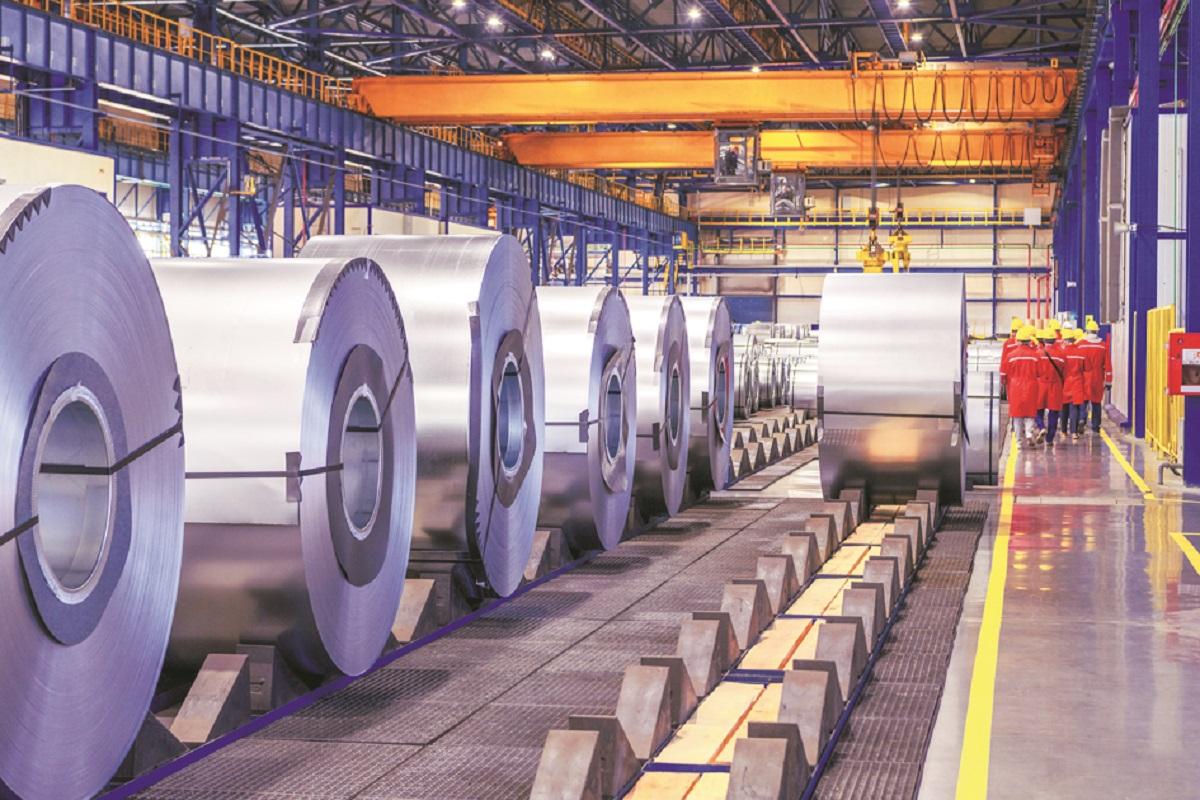
In a welcome pivot, the Ministry of Steel has temporarily lifted its mandate requiring Bureau of Indian Standards (BIS) certification for certain steel imports used in manufacturing medical devices—following urgent industry appeals over potential supply chain disruptions.
This exemption applies selectively across product categories:
- Surgical blades and scalpel producers have been granted a one-year reprieve, allowing them to continue importing special-grade stainless steel strips without immediate BIS registration.
- Foreign steel suppliers have been given six months to secure BIS approval, provided they source hot-rolled steel from already registered downstream manufacturers.
- For low-volume, specialized applications—such as capillary tubes and cut-length steel wires—No Objection Certificates (NOCs) will be issued but strictly for manufacturing needs, not for commercial trading. This step follows recommendations from the Department of Pharmaceuticals.
Industry leaders, including AiMeD Forum Coordinator Rajiv Nath, lauded the government's responsiveness: “We are very thankful… for averting a potential supply chain and health care crisis.”
Previously, BIS certification was only necessary for finished steel items. The new regulation, launched in June, extended the requirement to raw and semi-finished steel, such as hot-rolled steel and ingots, triggering alarm among medical device manufacturers dependent on niche imported materials.
Much of the specialized stainless steel—like that used in surgical tools, needles, and endoscope components—is imported due to its low-volume nature. Domestic mills, including Tata Steel, Jindal, BSL, Anil Metal, Stelco, and Mecon, cannot produce it economically or to the required specifications. Manufacturers highlighted issues such as poor edge quality, surface aesthetics, and inconsistent welding performance in domestically available materials.
This constructive compromise sustains production continuity while giving domestic and international suppliers time to align with regulatory norms.
(Source: The Economic Times)