
Siemens Healthineers Warns of Up to $340 Million Tariff Blow in Second Half of 2025
According to Siemens Healthineers, the estimated tariff impact on its adjusted EBIT (earnings before interest and taxes) will range between euro 200 million and euro 300 million over the next six months—equivalent to roughly 0.15 euros per share in adjusted earnings, said Chief Financial Officer Jochen Schmitz.
- By Reuters
- London
- May 07, 2025
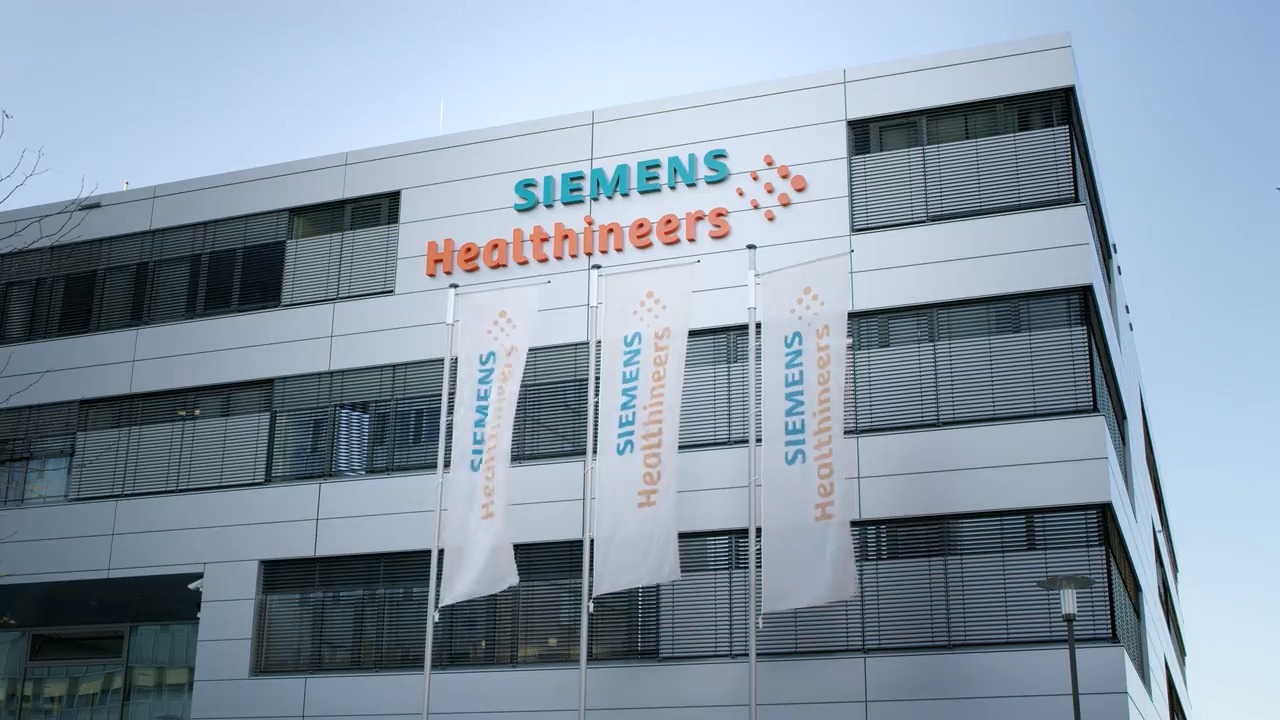
Siemens Healthineers is bracing for a significant financial hit of up to euro 300 million ($341 million) to its operating profit in the second half of 2025 due to rising tariffs, the German medical technology giant announced Wednesday.
The anticipated blow follows in the footsteps of similar warnings from industry peers GE HealthCare and Philips, both of which recently flagged heavy tariff burdens and downgraded their annual forecasts.
According to Siemens Healthineers, the estimated tariff impact on its adjusted EBIT (earnings before interest and taxes) will range between euro 200 million and euro 300 million over the next six months—equivalent to roughly 0.15 euros per share in adjusted earnings, said Chief Financial Officer Jochen Schmitz.
While the company maintained its annual revenue growth projection of 5–6% on a comparable basis, it revised the lower end of its adjusted basic earnings per share guidance from 2.35 to 2.20 euros, now expecting full-year EPS to land between 2.20 and 2.50 euros.
"Without the current tariff environment, we would have been in a position to discuss reaching the upper end of our revenue and earnings guidance," said CEO Bernd Montag during a press briefing.
Looking ahead to 2026, Schmitz cautioned that the tariff burden could potentially double under conservative projections, depending on how trade conditions evolve.
Despite a dip in shares—down 1.3% by 0811 GMT after an earlier 2% rise—the company posted slightly stronger-than-expected revenues. The growth was largely powered by robust performance in its Imaging and Varian divisions, coupled with ongoing cost-cutting measures within its Diagnostics transformation program.