
PMO orders crackdown on polluting vehicles, pushes for electric mobility in Delhi
The move comes against the backdrop of mounting pressure on city authorities. The Commission for Air Quality Management (CAQM) has already tightened pollution-control measures under the revised Graded Response Action Plan (GRAP), while Delhi grapples with a dual onslaught of vehicular emissions and seasonal factors such as stubble-burning.
- By Newsdesk
- New Delhi
- Nov 26, 2025
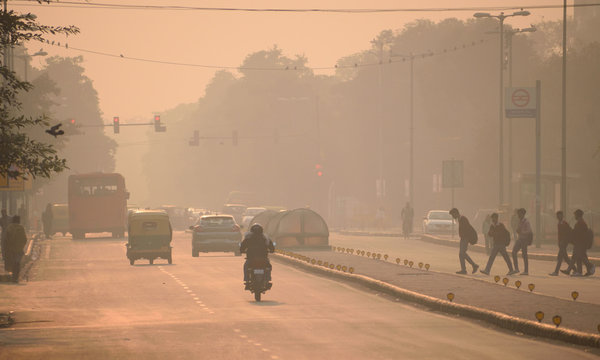
As air quality in Delhi-NCR continues to deteriorate with the average Air Quality Index (AQI hovering in the “very poor” zone for the second consecutive week and some localities slipping into “severe” levels, the Prime Minister's Office (PMO) has stepped in with a decisive call for action. At a high-level meeting convened on November 25, officials were directed to clamp down hard on vehicles violating emission norms.
The push is urgent: about 37% of vehicles in the Delhi-NCR region still operate under the outdated BS-I to BS-III emission standards, a fact that was underlined at the meeting.
But the crackdown is only half the story. The PMO also pressed for a rapid expansion of the electric vehicle (EV) ecosystem across the capital. Officials were instructed to accelerate the deployment of EV charging stations, implement subsidies for EV adoption, and reduce reliance on petrol and diesel vehicles.
The move comes against the backdrop of mounting pressure on city authorities. The Commission for Air Quality Management (CAQM) has already tightened pollution-control measures under the revised Graded Response Action Plan (GRAP), while Delhi grapples with a dual onslaught of vehicular emissions and seasonal factors such as stubble-burning.
As part of the broader environmental strategy, government and private organisations in Delhi have also been asked to implement staggered working hours and enable 50% of staffing to work remotely — a move aimed at curbing traffic and, by extension, emissions.
It remains to be seen whether these measures compliance enforcement, EV infrastructure boost, and behavioural shifts, will significantly ease the capital’s chronic air-quality problem.