
One in Four Adults in Delhi-NCR Hamstrung by Chronic Headaches and Migraines, Study Reveals
Researchers surveyed 2,066 adults aged between 18 and 65 across randomly selected households, recording a startling prevalence of headache disorders. While a majority—about 68%—reported experiencing at least one headache in the past year, those suffering from moderate to severe pain lost approximately 9.5% of their waking hours to discomfort.
- By Newsdesk
- New Delhi
- Aug 18, 2025
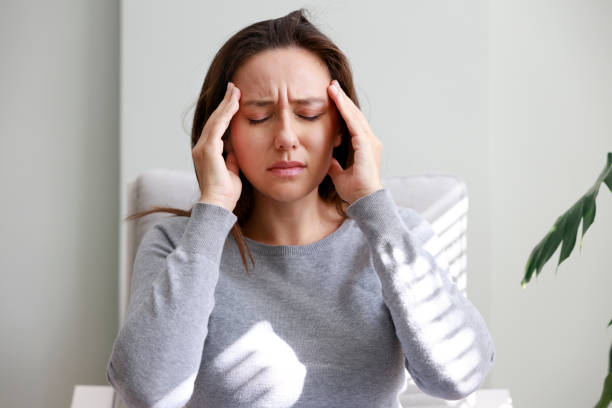
A groundbreaking study published in the Journal of Headache and Pain has unveiled a pressing public health crisis: nearly a quarter of adults in the Delhi-NCR region—roughly 26%—are living with chronic headaches or migraines that warrant professional treatment.
A Silent Burden on Daily Life
Researchers surveyed 2,066 adults aged between 18 and 65 across randomly selected households, recording a startling prevalence of headache disorders. While a majority—about 68%—reported experiencing at least one headache in the past year, those suffering from moderate to severe pain lost approximately 9.5% of their waking hours to discomfort.
Breaking down the types of headaches:
- Chronic headaches, often tied to overuse of pain relief medication, were the most debilitating—responsible for more than half of the total lost time from such episodes, translating to about 3.1% of daily functioning time.
- Migraines affected approximately 26% of adults and contributed to a 2% reduction in active, productive hours.
- Tension-type headaches (TTH)—though the most widespread, impacting 34%—led to only 0.5% of time lost.
The Gender Gap: Women Bear the Brunt
Notably, the study identified a pronounced gender disparity. Women faced significantly higher burdens from both migraines and tension-type headaches. In some cases, women spent as much as 8.7% of their time dealing with migraines—a clear indicator that they are disproportionately affected.
Impact Beyond Pain: Productivity and Quality of Life at Stake
For many participants, household responsibilities were affected more than formal employment. On average, men lost about 0.3 workdays per month due to headaches, while women lost around 0.1 days. Social and leisure activities appeared less impaired.
Importantly, the study estimated that about 26% of adults in the region could benefit from professional headache care—highlighting the existing gap between prevalence and access to treatment.
Why It Matters
- Public health implications: The frequency and intensity of headaches are undermining daily life and work, creating a sizable burden on individual well-being and regional productivity.
- Policy and healthcare gap: With only a fraction likely receiving proper diagnosis or treatment, there's an urgent need for accessible, effective headache care.
- Flagging medication misuse: Chronic headaches linked to overuse of pain relief suggest a need for better awareness and responsible prescribing practices.
Taking a Closer Look
A companion study further quantified prevalence and burden across specific subtypes:
- One-year prevalence rates (adjusted for age, gender, and location) stood at around 26.3% for migraines, 34.1% for tension-type headaches, 3.0% for probable medication-overuse headaches (pMOH), and 4.5% for other frequent headaches (H15+).
These figures closely mirror earlier findings from Karnataka, pointing toward a broader national trend and supporting the idea that these patterns can be generalized across India.
What Can Be Done
1. Expand Access to Professional Care
Enhancing neurology and pain-management services, particularly in under-served areas, could reduce the burden significantly.
2. Encourage Integrated Treatment Approaches
Beyond medications, therapies like cognitive behavioral therapy (CBT), relaxation techniques, biofeedback, and mindfulness have shown promise in managing chronic headaches and migraines.
3. Promote Public Education
Informing citizens about headache triggers, the risks of medication overuse, and self-help strategies could empower individuals to manage symptoms more effectively.
4. Champion Gender-Sensitive Strategies
Since women bear a heavier burden, tailored interventions—perhaps integrated into maternal and community health programs—could help address their unique needs.
The latest research rings alarm bells about a hidden epidemic: chronic headaches and migraines are consuming over a quarter of the adult population’s health and productivity in Delhi-NCR. With over 5% of waking hours lost to pain, and women disproportionately affected, it’s clear that robust, equitable headache care must be urgently prioritized.