
Natco Pharma Wins Landmark Patent Battle, Set to Launch Affordable Generic for Rare Infant Disorder
Hyderabad-based Natco Pharma has won a crucial legal battle against Swiss drugmaker Roche, paving the way for the launch of a low-cost generic version of risdiplam, a life-saving treatment for spinal muscular atrophy (SMA)—a rare and debilitating genetic disorder that affects infants and young children.
- By Newsdesk
- New Delhi
- Oct 10, 2025
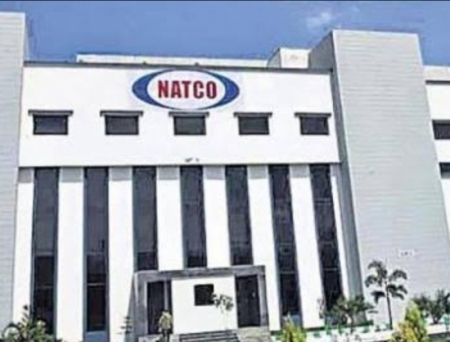
In a significant victory for patient access and the domestic pharmaceutical industry, Hyderabad-based Natco Pharma has won a crucial legal battle against Swiss drugmaker Roche, paving the way for the launch of a low-cost generic version of risdiplam, a life-saving treatment for spinal muscular atrophy (SMA)—a rare and debilitating genetic disorder that affects infants and young children.
The Delhi High Court’s appellate bench upheld the earlier ruling that invalidated Roche’s patent claims, allowing Natco to move forward with production and sales of its generic version. The court found that while Roche held a compound patent for risdiplam, it lacked broader valid claims over the drug’s class in India—creating a legal opening that Natco successfully leveraged. By dismissing Roche’s appeal, the court effectively removed the barrier that had restricted the drug’s availability in the country.
The decision is being seen as a watershed moment for India’s pharmaceutical sector, reaffirming the balance between intellectual property protection and public health priorities. Legal experts said the judgment reinforces the principle that patents must not be used to block affordable access to life-saving treatments, especially in cases where exclusivity claims are weak or improperly filed.
Risdiplam, marketed globally by Roche under the brand name Evrysdi, is used to treat spinal muscular atrophy—a condition that progressively weakens muscles, affecting a child’s ability to move, swallow, and breathe. The branded drug was priced as high as ₹6 lakh per bottle in India, making it unaffordable for most families. In comparison, Natco has announced plans to sell its version at ₹15,900 per bottle, bringing a potentially transformative reduction in cost for Indian patients.
Given that many patients require up to two bottles per month, the price cut could dramatically expand access to treatment. Natco has also indicated plans to roll out a patient access program to support families in need, further widening the reach of this essential therapy.
The court, while ruling in favor of Natco, also emphasized the public interest implications of the case, noting that Roche’s high pricing effectively placed the medicine beyond the reach of most Indian patients. Patient advocacy groups, including the Working Group on Access to Medicines and Treatment, welcomed the verdict as a “milestone for equitable healthcare,” praising the court for prioritizing affordability over monopolistic control.
The market reacted swiftly to the news, with Natco Pharma’s shares climbing following the judgment. Investors expect the new product launch to open up a lucrative opportunity for the company in the rare disease treatment segment, a space traditionally dominated by multinational firms. Analysts believe this legal win could significantly boost Natco’s growth trajectory, both in revenue and reputation, as a champion of affordable innovation.
For thousands of families battling spinal muscular atrophy in India, the ruling offers new hope—turning what was once an unreachable treatment into a realistic possibility. Beyond its immediate impact, the decision underscores a larger shift in India’s patent and pharmaceutical landscape, where access to essential medicine is increasingly being upheld as a public good.
Natco’s victory not only strengthens its position as a leading force in India’s generics market but also signals the country’s growing resolve to balance innovation with inclusivity—ensuring that life-saving therapies reach those who need them most.