
MedGenome Acquires Majority Stake in Mumbai’s SDRC to Pioneer Integrated Diagnostics Ecosystem
The acquisition, which targets high-growth suburban markets, marks MedGenome's second major expansion this year following its investment in Medcare Management Services in March.
- By Newsdesk
- New Delhi
- May 19, 2026
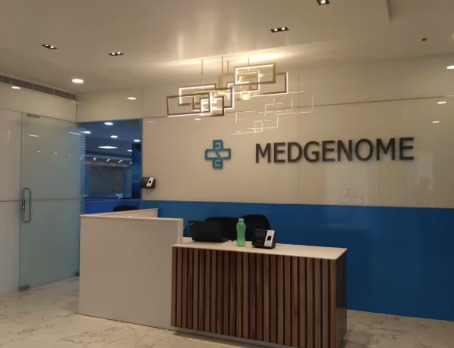
In a significant consolidation within India’s medical diagnostics sector, genomics and research services pioneer MedGenome has acquired a majority stake in Siddhi Diagnostics & Research Centre (SDRC). The strategic transaction marks a major push to establish a multi-omics, integrated diagnostic ecosystem by combining molecular-level genetic science with three decades of established clinical imaging expertise.
The acquisition, which targets high-growth suburban markets, marks MedGenome's second major expansion this year following its investment in Medcare Management Services in March. While the financial parameters of the deal remain undisclosed, the transaction signals an aggressive effort by institutional investors including LeapFrog Investments, Novo Holdings, and Maj Invest to scale advanced diagnostic infrastructure across Western India.
Bridging Molecular and Structural Insights
Founded in 1995 by sonologist Dr. Ajit Pungavkar and radiologist Dr. Sona Pungavkar, SDRC operates five diagnostic hubs spanning Thane, Vasai, Virar, and Nalasopara. The network caters to a substantial patient base through a framework consisting of specialized imaging tech, home collection networks, and critical hospital partnerships.
Under the terms of the agreement, the original promoters will continue to steer localized operations. The collaborative model aims to resolve a persistent challenge in complex and early-stage clinical workflows: the limitations of relying solely on anatomical scans. By correlating structural data from advanced MRI and CT systems with genomic profiling, the joint entity aims to equip clinicians with a highly definitive diagnostic overview to guide precision medicine strategies.
Strategic Footprint and Technology Integration
The suburban belts extending beyond Greater Mumbai, particularly the Naigaon–Palghar and Thane corridors, have historically faced a scarcity of advanced multi-specialty diagnostic facilities. MedGenome plans to leverage SDRC’s deep-rooted regional referral network to integrate genetic testing directly into everyday community clinical practice.
The corporate integration aligns with a broader shift toward data-driven healthcare. Leadership from both entities highlighted that integrating layered data encompassing radiology, pathology, and molecular sequencing will increasingly rely on advanced Artificial Intelligence platforms. Over time, this systemic approach is expected to streamline diagnostic reporting, lower costs, and eliminate the fragmentation that frequently complicates a patient's care journey.