
Indian Pharma Stocks Plunge as Trump Threatens Major Tariffs on Drug Imports
Gland Pharma led the decline with its stock plummeting 6% to a low of ?1,340 on the Bombay Stock Exchange. Aurobindo Pharma and Dr Reddy’s Laboratories followed with losses of 5% and 4.2%, respectively. Glenmark Pharmaceuticals, Lupin, and Biocon also recorded significant drops, shedding more than 3.5% each.
- By Newsdesk
- New Delhi
- Apr 09, 2025
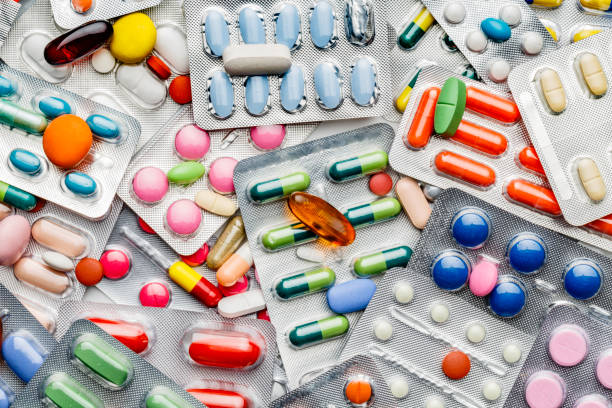
Shares of leading Indian pharmaceutical companies tumbled sharply on Wednesday following former U.S. President Donald Trump's declaration of an impending “major” tariff on pharmaceutical imports. The announcement, made during a speech at the National Republican Congressional Committee’s annual spring dinner, sent shockwaves through the Indian stock market, particularly impacting drug manufacturers heavily reliant on U.S. exports.
Gland Pharma led the decline with its stock plummeting 6% to a low of ₹1,340 on the Bombay Stock Exchange. Aurobindo Pharma and Dr Reddy’s Laboratories followed with losses of 5% and 4.2%, respectively. Glenmark Pharmaceuticals, Lupin, and Biocon also recorded significant drops, shedding more than 3.5% each.
Trump’s remarks hinted at a broader shift in U.S. trade policy, aiming to bring drug manufacturing back to American soil. “We will soon impose a major tariff on drugs coming into our country,” Trump said, emphasizing the need to repatriate pharmaceutical production to bolster domestic supply chains. This marks a departure from earlier policies where pharmaceuticals, along with semiconductors, were largely exempt from the Trump administration's reciprocal tariff regime.
The implications for India’s pharma sector could be profound. As one of the world's largest exporters of generic medicines, India plays a pivotal role in the U.S. healthcare ecosystem. In 2024 alone, India’s pharmaceutical exports stood at $12.72 billion, making it the nation’s largest industrial export category.
Indian firms supply around 40% of all generic prescriptions filled in the U.S. Their affordability and scale have helped save the American healthcare system approximately $219 billion in 2022, and a staggering $1.3 trillion over the past decade. Projections indicate that over the next five years, generics from India could contribute another $1.3 trillion in healthcare savings.
However, analysts warn that new tariffs could upend this dynamic. The threat of new trade barriers comes amid a broader U.S. crackdown on foreign imports. Recently, the U.S. imposed a 26% reciprocal tariff on certain Indian goods, citing what it described as high import duties imposed by New Delhi on American products. Trump also took aim at Taiwan’s semiconductor giant TSMC, threatening a 100% tax unless the company significantly boosts its manufacturing footprint in the U.S. He criticized President Joe Biden’s administration for awarding TSMC’s Arizona unit a $6.6 billion grant, arguing that the industry does not require federal subsidies.
The heightened trade rhetoric has created uncertainty for Indian pharma companies, many of which have invested heavily in U.S. regulatory compliance and supply chain integration. Industry leaders are now watching closely to see whether Trump’s comments translate into formal policy — particularly if he returns to power following the upcoming U.S. presidential elections.
For now, the markets appear to be pricing in the risk, with Indian pharma stocks facing their steepest collective fall in recent months. Investors and industry stakeholders alike are bracing for a turbulent period ahead as geopolitical and trade tensions threaten to disrupt one of the most critical corridors in global healthcare.