
Indian Diagnostics Sector Poised for 14% Growth; Organised Players to Take the Lead
The report attributes the robust outlook to growing healthcare expenditure, an ageing population, rising disposable incomes, and a surge in awareness around preventive health checkups. Further momentum is expected from wider access to advanced diagnostic tools, greater insurance penetration, and central government initiatives aimed at bolstering the country's healthcare infrastructure.
- By Newsdesk
- New Delhi
- Apr 19, 2025
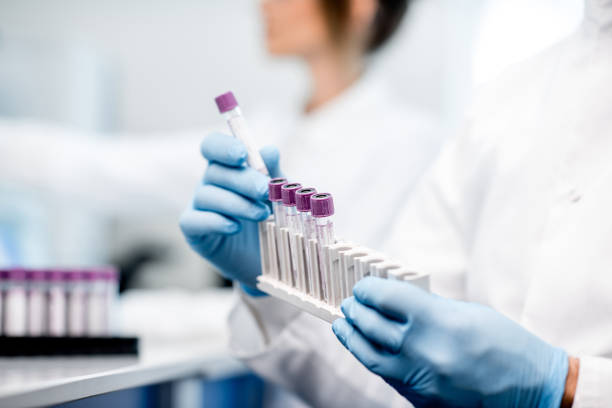
India’s diagnostics industry is on the brink of a significant expansion, with a projected compound annual growth rate (CAGR) of 14% over the next five years, according to a new report by PhillipCapital. This bullish forecast underscores the sector’s evolution, fuelled by a confluence of factors ranging from demographic shifts to increasing health consciousness and government support.
The report attributes the robust outlook to growing healthcare expenditure, an ageing population, rising disposable incomes, and a surge in awareness around preventive health checkups. Further momentum is expected from wider access to advanced diagnostic tools, greater insurance penetration, and central government initiatives aimed at bolstering the country's healthcare infrastructure.
“India’s diagnostics sector is set for accelerated growth through FY23–28,” the report noted, highlighting how structural tailwinds are aligning to reshape the industry.
Notably, while the entire sector is expected to benefit, organised diagnostic chains are likely to emerge as the key growth drivers. These companies, equipped with superior technology, standardized practices, and scalable infrastructure, are expected to outpace the broader market. The report emphasized that such players are better positioned to leverage ongoing consolidation trends, which are reshaping the competitive landscape.
“Organised diagnostics players are poised to outperform the industry average owing to their advanced and efficient service delivery models,” the report said.
At present, the Indian diagnostics market remains highly fragmented. Organised players hold only about 15% of the total market share, while hospital-based labs account for 37%, and unorganised standalone labs continue to dominate with a 48% share. This fragmentation presents significant headroom for growth through consolidation, especially for corporatised diagnostic chains seeking to scale up.
Despite India’s massive population, diagnostic service penetration still trails global benchmarks. The report highlighted that on a per capita basis, the number of tests conducted in India remains lower than in other developing countries like Brazil and Saudi Arabia—indicating substantial untapped potential in the domestic market.
With a rapidly expanding healthcare ecosystem and a shift toward preventive and personalized medicine, the diagnostics industry is expected to play a central role in India’s health journey. And as the market matures, organised players appear well-positioned to lead the next wave of growth through innovation, quality, and reach.
(With inputs from ANI)