
Latest News
- Min. Nadda Unveils ?13,000-Crore Bio-Pharma SHAKTI and Chemical Parks Push to Expand India’s Global Chemicals and Biologics Footprint
- Aurobindo Pharma Subsidiary Launches Generic Cancer Drug in US, Expands Oncology Portfolio in Global Generics Market
- KIMS Hospitals Introduces Adaptive Deep Brain Stimulation in India for Advanced Parkinson’s Treatment
India’s Pharmaceutical Market Poised for Steady Growth in 2026 After Strong 2025 Performance
According to the latest Pharmarack Indian Pharma Industry Performance report, this momentum is expected to continue into 2026, with analysts forecasting growth of around 7.8–8.1% — a trajectory that reflects both resilience and evolving sector dynamics.
- By Newsdesk
- New Delhi
- Jan 09, 2026
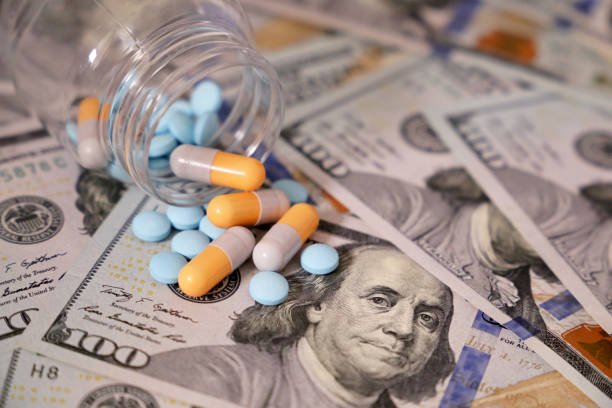
India’s pharmaceutical industry closed 2025 on a high note, with the domestic market reaching an estimated ₹2.40 lakh crore and posting an impressive 8.1% year-on-year value growth. According to the latest Pharmarack Indian Pharma Industry Performance report, this momentum is expected to continue into 2026, with analysts forecasting growth of around 7.8–8.1% — a trajectory that reflects both resilience and evolving sector dynamics.
Despite a challenging backdrop of uneven volume trends, the industry’s value expansion remained robust, underpinned by key segments that continued to deliver positive performance across therapy areas through the end of 2025.
Drivers of Growth: Prices, Innovation and New Products
Industry data highlights three principal forces powering this expansion:
- Price increases contributed significantly to growth, accounting for a 5.4% uplift in value during the period ending November 2025 as companies adjusted pricing strategies.
- New product launches bolstered the market with an additional 2.1% contribution, underscoring innovation and portfolio refreshment as critical value drivers.
- Volume improvements, although modest at 0.5%, supported overall expansion in demand.
By December, the Indian Pharma Market (IPM) registered a consolidated value growth of 10.6% and a unit growth of 2.6%, signalling that broader consumption patterns in the country were strengthening even as volumes struggled to keep pace with value gains.
Anti-Obesity Drugs Gain Traction
One of the standout trends in recent months has been the rapid rise of the anti-obesity segment, particularly therapies based on GLP-1 agonists. Since the introduction of Rybelsus by Novo Nordisk in 2022, this category — often priced at a premium — has delivered strong value growth despite limited volume expansion. Strategic collaborations between global innovators such as Novo Nordisk and Eli Lilly with Indian companies like Cipla and Emcure are poised to further expand access and deepen market penetration in the coming year.
Branded Generics and the 2026 Outlook
Looking ahead, the industry anticipates the entry of branded generics beginning in March 2026. Historically, such products are launched at significantly lower price points (20–35% below innovator brands), often triggering sharp increases in unit sales, sometimes 2x to 5x within the first few months. While this trend is expected to drive volume growth, experts caution that value growth could moderate due to downward pressure on pricing.
Domestic pharmaceutical majors including Dr. Reddy’s Laboratories, Sun Pharma and Zydus Lifesciences are well-positioned to benefit from these shifts, particularly in chronic and lifestyle therapy areas where demand is expanding.
Evolving Market Structure and Leadership
The Indian Pharma Market continues to reflect a diversified structure, divided into four broad segments: high-growth lifestyle therapies, treatments aligned with demographic trends (such as ageing populations), mature acute therapies, and over-the-counter (OTC) categories. At the Moving Annual Total (MAT) level, traditional leaders like Augmentin and Glycomet GP have maintained their positions. However, more recent monthly data showed brands like Mounjaro and Foracort climbing to the top in December 2025, hinting at evolving consumption patterns.
A Sector Balancing Opportunity with Challenges
Overall, the outlook for the Indian pharmaceutical market in 2026 remains positive, supported by sustained demand across key therapy areas such as urology and anti-diabetic medicines. While pricing pressures from branded generics could temper overall value growth, the sector’s blend of innovation, rising chronic disease burden, and strategic partnerships are expected to sustain a steady growth trajectory.
As India’s pharma ecosystem continues to evolve, the balance between value and volume, premium therapies and generics, and domestic demand versus global competitiveness will shape its performance in the year ahead making 2026 another year of significance for one of the nation’s most crucial industries.