
India Releases First Clinical Guidelines on Age-Related Muscle Loss, Warning of ‘Hidden’ Health Risk
India has introduced its first clinical guidelines on sarcopenia—age-related muscle loss—highlighting the need for early screening, better nutrition and strength training to prevent disability among older adults
- By PharmaNews Live Desk
- New Delhi
- Mar 09, 2026
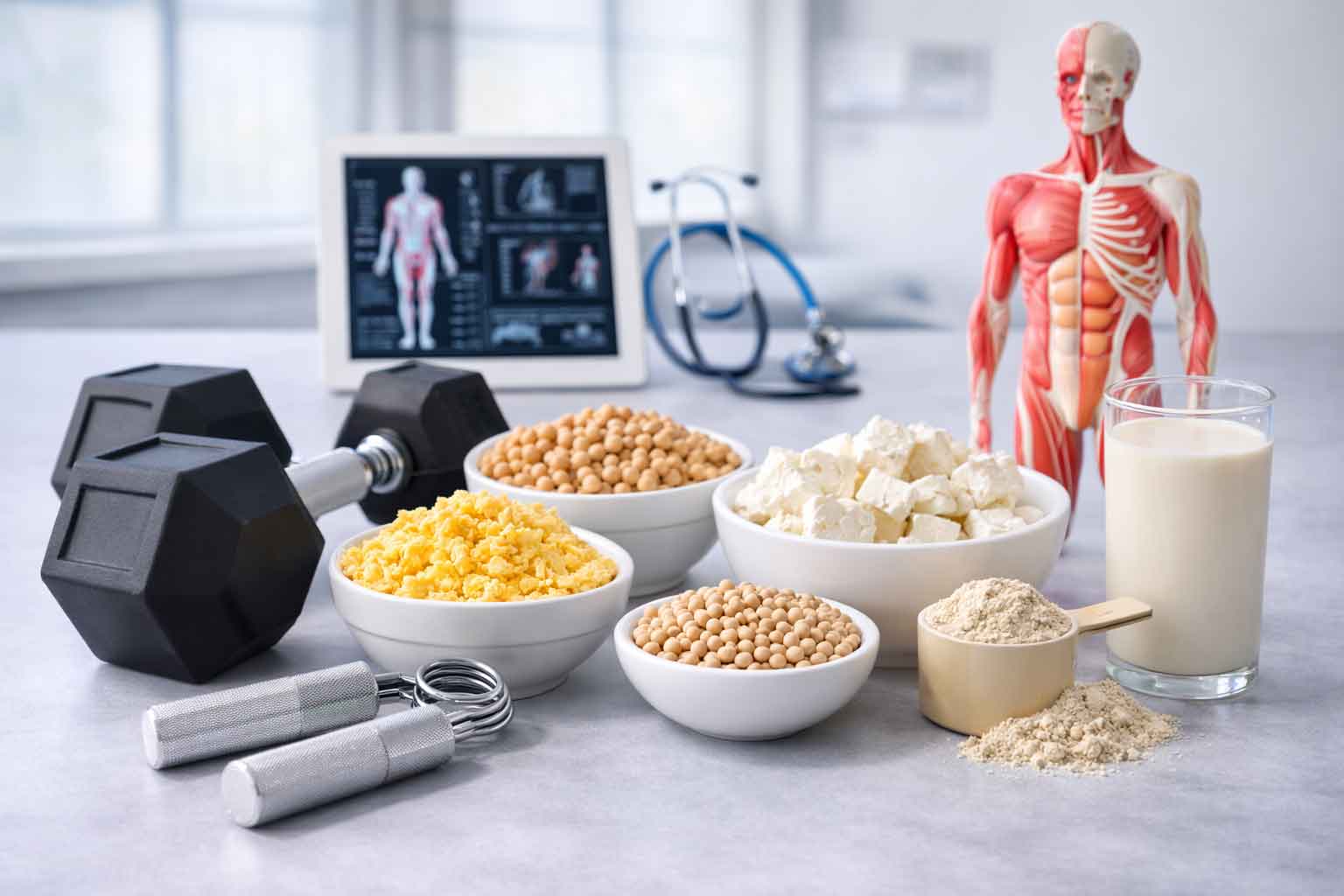
India has released its first clinical guidelines for detecting and managing sarcopenia, a condition characterised by the gradual loss of muscle mass and strength that often occurs with ageing. Health experts say the guidelines aim to raise awareness of the condition and encourage early diagnosis and preventive care.
Sarcopenia has long been considered an under-recognised health problem in India despite its impact on mobility, independence and quality of life among older adults. Doctors warn that the condition can increase the risk of frailty, falls and disability if not detected early.
The new recommendations seek to integrate muscle health assessments into routine clinical practice and encourage individuals to monitor strength and physical performance as part of overall health management.
Growing concern as India’s population ages
Health specialists note that India’s rapidly ageing population is likely to increase the burden of sarcopenia in the coming decades. Sedentary lifestyles, inadequate protein intake and chronic health conditions are among the key factors contributing to muscle loss in adults.
Medical experts have highlighted that muscle health often receives less attention than conditions such as obesity or cardiovascular disease, even though it plays a critical role in maintaining functional independence.
One expert noted that awareness of muscle health remains low in the country, despite the widespread impact of age-related muscle decline.
Screening recommended for people over 60
The new guidelines recommend routine screening for individuals aged 60 and above, particularly those with chronic illnesses or reduced physical activity. Early detection can help identify individuals at risk before the condition leads to serious mobility limitations.
Diagnostic approaches typically include measuring muscle strength, physical performance and muscle mass using tools such as hand-grip strength tests and mobility assessments.
Experts say these assessments can help doctors detect early stages of muscle decline and introduce targeted interventions.
Lifestyle changes central to prevention
The guidelines emphasise lifestyle-based interventions as the most effective approach to preventing or slowing sarcopenia.
Doctors recommend strength-training exercises two to three times per week, adequate protein intake and correction of vitamin deficiencies as key strategies to maintain muscle mass.
Protein-rich foods such as pulses, soy products, paneer and other plant-based sources are particularly important for maintaining muscle health in populations with predominantly vegetarian diets.
Muscle health linked to overall wellbeing
Sarcopenia is increasingly recognised as a major contributor to poor health outcomes in older adults. The condition is associated with increased risks of fractures, chronic illness complications and reduced independence.
Health experts say the new guidelines represent an important step toward integrating muscle health into broader public health strategies aimed at promoting healthy ageing in India.
By encouraging early screening, improved nutrition and regular physical activity, policymakers and clinicians hope to reduce the long-term health burden associated with age-related muscle loss.