
India Plans Nationwide Free HPV Vaccination for 14-Year-Old Girls; Programme Raises Implementation Questions
Government to introduce voluntary HPV vaccines for adolescent girls without committing to broader coverage strategy
- By PharmaNews Live Desk
- New Delhi
- Feb 24, 2026
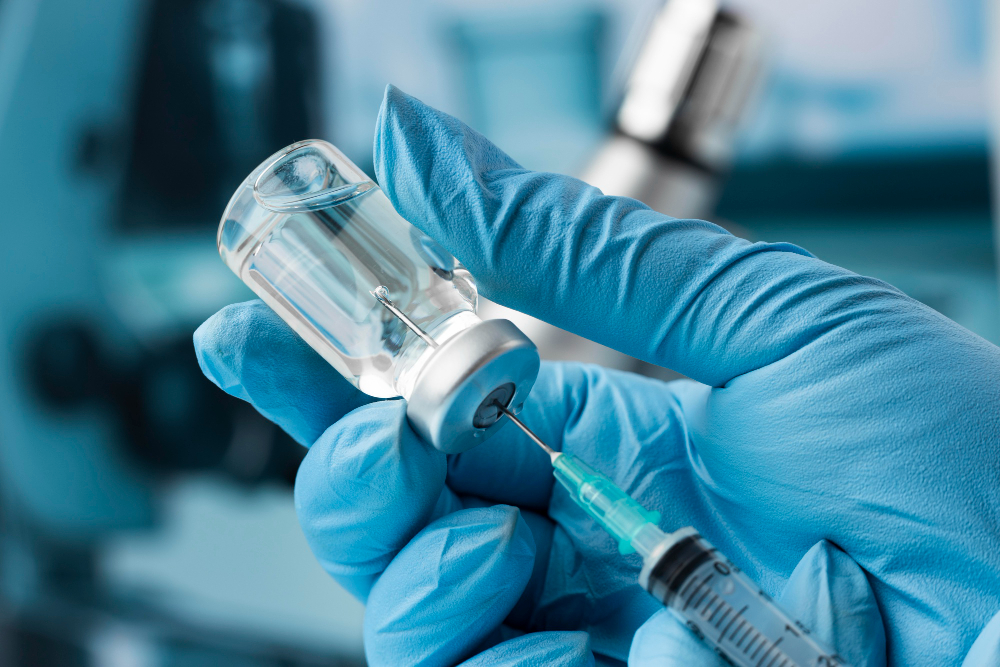
The Union government has announced plans to roll out a free Human Papillomavirus (HPV) vaccination programme for adolescent girls across India later this year. According to official sources, the initiative will target girls aged 14 years and use the quadrivalent Gardasil vaccine, which protects against specific HPV strains linked to cervical cancer.
Under the programme, vaccination will be voluntary and provided at designated government health facilities, including Ayushman Arogya Mandirs, community and district hospitals, and medical colleges, according to government sources. All sessions are expected to be supervised by trained medical officers with arrangements for post-vaccination observation and treatment of adverse events.
Official communications state that the programme will focus on girls “in the recommended age group”, which officials say is intended to offer the **maximum preventive benefit well before potential virus exposure.”
Government sources also indicated that India will join more than 160 countries that have introduced HPV vaccines in their national immunisation schedules, although details on long-term rollout beyond initial target groups remain limited.
Authorities have said that supplies of the Gardasil vaccine have been secured through a procurement mechanism supported by international partners, including Gavi, the Vaccine Alliance. Government statements claim the vaccines meet regulatory and cold-chain quality standards, but official data on quantities procured, distribution timelines, or state-level rollout schedules have not been published.
Vaccination sessions are planned to occur exclusively at government health facilities. Officials have stated that each session will be linked to emergency medical services and staffed by healthcare teams capable of managing rare adverse reactions.
Cervical cancer remains one of the most diagnosed cancers among women in India, with official health data indicating approximately 80,000 new cases and more than 42,000 deaths annually attributed to the disease. Persistent infection with high-risk HPV types, particularly HPV-16 and HPV-18, is associated with a majority of cervical cancer cases.
Scientific evidence cited by officials suggests Gardasil offers protection against HPV types causing cervical cancer, as well as types responsible for genital warts. Discussions on the efficacy of single versus multiple doses have been ongoing, but government statements focus primarily on the vaccine’s inclusion in the programme without elaborating on dose schedules or comparative effectiveness.
Experts outside government sources have previously noted barriers to HPV vaccine uptake in India, including costs, limited public awareness, and cultural hesitancy. These factors have contributed to uneven vaccine uptake where HPV vaccination has been implemented at state levels, such as in Punjab and Sikkim, but broader national adoption has lagged.
Despite advocacy from health professionals for combined strategies — including regular screening and vaccination — official rollout plans currently emphasise vaccination alone, without addressing integration with cervical cancer screening or targeted outreach to out-of-school adolescents.
As of the announcement, there is no independent evaluation available on projected programme impact, coverage targets, or mechanisms to monitor vaccine uptake, safety outcomes, and equity of access across urban and rural regions. While government sources cite alignment with international practice, specific details on measurement metrics or public reporting frameworks have not been provided.