
India Outperforms Global Averages in Reducing Infant Mortality and TB Incidence: Health Ministry Report
Over the past 30 years, the country has achieved a 75% decline in its infant mortality rate, significantly higher than the global reduction of 60%. Meanwhile, tuberculosis (TB) incidence has dropped by 17% in recent years.
- By Newsdesk
- New Delhi
- Jan 22, 2025
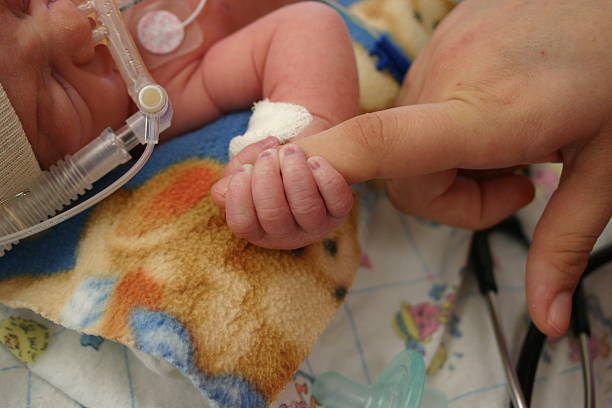
India has made remarkable strides in public health, surpassing global averages in key areas such as reducing infant mortality and combating tuberculosis, according to the Union Ministry of Health and Family Welfare. Over the past 30 years, the country has achieved a 75% decline in its infant mortality rate, significantly higher than the global reduction of 60%. Meanwhile, tuberculosis (TB) incidence has dropped by 17% in recent years.
Highlighting the mid-term progress of the National Health Mission (NHM)—extended until 2026—the ministry stated that the country has seen a dramatic reduction in the Under-5 Mortality Rate (U5MR). Since 1990, the U5MR has fallen by 75%, compared to the global decline of 60%. Additionally, TB cases have reduced from 237 per 100,000 people in 2015 to 195 in 2023, while the mortality rate from the disease has dropped from 28 to 22 over the same period.
Strengthening Human Resources in Healthcare
A notable success under the NHM has been the increase in healthcare workforce. In the 2021-22 financial year, the initiative added 269,000 healthcare professionals, including general duty medical officers, specialists, nurses, AYUSH practitioners, and public health managers.
Improvements in Maternal and Child Health
The Maternal Mortality Ratio (MMR) has also seen significant progress, declining by 25%—from 130 per 100,000 live births in 2014-16 to 97 in 2018-20. This marks an overall reduction of 83% since 1990, outpacing the global decline of 45%. Similarly, the U5MR dropped from 45 per 1,000 live births in 2014 to 32 in 2020, underscoring India’s commitment to achieving its Sustainable Development Goals (SDGs) ahead of the 2030 deadline.
Advancements in Tuberculosis and Malaria Control
Under the National Tuberculosis Elimination Programme (NTEP), TB cases and mortality rates have shown a steady decline. However, malaria has seen mixed results, with deaths dropping in 2021 and 2022 but a rise in surveillance and cases in 2023.
Specialized Health Initiatives
Other noteworthy programs include the Pradhan Mantri National Dialysis Programme (PMNDP), which conducted over 6.2 million hemodialysis sessions for more than 453,000 patients in FY 2023-24. The National Sickle Cell Anemia Elimination Mission, launched in 2023, has already screened 26.1 million individuals in tribal areas, with the goal of eradicating the disease by 2047.
Infrastructure Development and Quality Assurance
The NHM has also focused on enhancing healthcare infrastructure. As of March 2024, nearly 8,000 public health facilities were certified under the National Quality Assurance Standards (NQAS), with over 4,200 receiving national recognition. Furthermore, the number of operational Ayushman Arogya Mandir (AAM) centers reached 172,148 by the end of FY 2023-24, with most providing 12 essential healthcare services.
Future of the NHM
Launched in 2005, the NHM aims to provide affordable, high-quality healthcare to rural and underserved populations. The program, initially extended from 2017 to 2020, has now been approved for continuation until 2026, subject to periodic reviews and adherence to financial guidelines.
India’s achievements under the NHM underscore its commitment to public health, positioning the country as a global leader in reducing infant and maternal mortality and tackling communicable diseases like tuberculosis. With continued focus and innovation, the country is on track to meet its ambitious health targets.