
India Faces a Growing Crisis: Hypertension Emerges as a Silent Threat Among the Young
Experts urge immediate action as rising cases go undetected, especially among working-age adults
- By Newsdesk
- New Delhi
- May 17, 2025
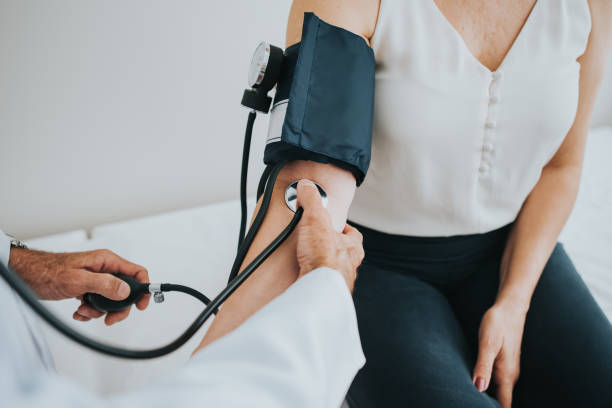
India is in the grip of a silent but escalating health emergency—hypertension. Once considered a condition of the elderly, high blood pressure is now increasingly affecting younger adults, driven by lifestyle shifts, stress, and poor health habits.
Over one in four Indian adults suffers from hypertension, but alarmingly, more than 90% are either undiagnosed, untreated, or not managing it effectively. Health experts are calling this the "silent epidemic"—largely because it progresses without clear symptoms, often until serious complications arise.
“Hypertension rarely announces itself. But persistent fatigue, headaches, dizziness, chest discomfort, or even blurry vision can be early signs,” warns Dr. Bharat Kukreti, Director and Unit Head of Cardiology – Interventional at Paras Health, Gurugram. He cites a worrying trend of rising cases in young professionals—fueled by poor diets, digital fatigue, lack of physical activity, chronic stress, and lifestyle habits like smoking, alcohol use, and excessive salt consumption.
Left unchecked, high blood pressure can lead to devastating outcomes—heart attacks, strokes, kidney damage, vision loss, and cognitive issues. “The good news is these outcomes are largely preventable,” Dr. Kukreti adds. “But that requires consistent blood pressure monitoring, healthier diets, regular movement, and adherence to medical advice.”
Dr. Amit Bhushan Sharma, Director and Unit Head of Cardiology at Paras Health, emphasizes the critical role of nutrition and exercise. “A diet rich in potassium, magnesium, calcium, and antioxidants—through leafy greens, whole grains, fruits, and seeds—can significantly support vascular health,” he says. Movement in any form—be it walking, yoga, or cycling—also helps improve circulation and reduce blood vessel stiffness. He stresses the need to address mental stress with practices like journaling, mindfulness, or even regular digital detoxes.
Adding to the concern, Dr. Harsh Mahajan, Founder and Chief Radiologist at Mahajan Imaging & Labs, highlights the dangers of prehypertension—a precursor stage that often goes unnoticed until full-blown hypertension sets in. “Most Indians are unaware of their blood pressure levels. Early diagnosis is critical,” he explains. “With today’s technology, we can detect and act on hypertension early. But awareness must be paired with real lifestyle changes—better diets, sleep routines, stress control, and regular check-ups.”
The message from the medical community is clear: India must take urgent action. Hypertension is no longer just a personal health issue—it’s a growing national challenge. Without widespread awareness, early detection, and sustained preventive care, this silent condition could erode the country's long-term health and productivity.
As doctors warn, tackling hypertension requires more than medication—it demands a shift in how we eat, move, rest, and manage daily stress. The time to act is now.
(With inputs from The Economic Times)