
India, Brazil Cement Regulatory Pact to Boost Pharma Oversight and Access
New Delhi ties with Brasilia to harmonise drug and medical-product standards and ensure safer, affordable healthcare
- By PharmaNews Live Desk
- New Delhi
- Feb 23, 2026
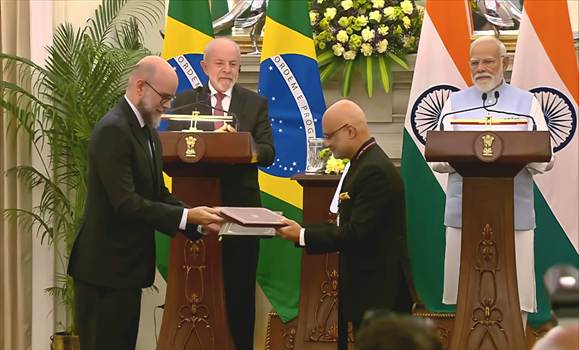
India and Brazil have taken a significant step to deepen collaboration in the health and pharmaceutical sectors by signing a new Memorandum of Understanding (MoU) aimed at strengthening cooperation in the regulation of pharmaceutical and medical products. This regulatory agreement was formalised during high-profile bilateral engagements in New Delhi, highlighting shared priorities for public health and access to safe medicines.
Regulatory Framework for Safer Medicines
The MoU, exchanged between the Central Drugs Standard Control Organisation (CDSCO) of India and the Brazilian Health Regulatory Agency (ANVISA), establishes a structured framework for cooperation and exchange of regulatory information across a wide range of medical products — from pharmaceutical ingredients and finished drugs to biologics and medical devices.
In a joint statement, officials said the pact seeks to “promote convergence in regulatory practices, enhance mutual understanding of regulatory systems and facilitate effective and coordinated oversight of medical products,” underscoring the importance of bringing the standards of both nations closer to global best practices while respecting respective national laws.
High-Level Exchange in Presence of Leaders
The agreement was exchanged at Hyderabad House by ANVISA Director-President Mr. Leandro Safatle and Indian Ambassador to Brazil Dinesh Bhatia, in the august presence of Prime Minister Narendra Modi and Brazilian President Luiz Inácio Lula da Silva. The presence of both heads of state signalled the priority each government places on this regulatory collaboration and its potential benefits for public health.
Officials noted that the MoU “reflects the shared commitment of India and Brazil to ensuring the availability of safe, effective and quality-assured medicines and medical products for their populations,” pointing to the two nations’ role as major suppliers and consumers within the Global South.
Expected Impacts on Health and Supply Chains
Experts and government representatives say that by enabling structured exchange of information and regulatory capacity building, the agreement could contribute to strengthening supply chains, encouraging adoption of regulatory best practices and improving access to affordable healthcare solutions. It is also expected to support coordinated oversight of medical products and help streamline regulatory pathways in complex areas like biologics and advanced therapies.
The MoU builds on broader cooperation in the health sector between the two countries and complements existing mechanisms for engagement. Beyond regulatory alignment, authorities from both sides plan to work closely on information sharing and capacity development to better respond to emerging health challenges.
Broader Strategic Partnership
India and Brazil share a strategic relationship rooted in common democratic values and developmental priorities. The new regulatory collaboration forms part of ongoing efforts under bilateral platforms such as BRICS, IBSA and other multilateral forums, reinforcing their role in shaping equitable global health governance.
Officials say the agreement could open new avenues for cooperation in pharmaceuticals and medical technologies, enhance oversight consistency, and ultimately contribute to improved public health outcomes in both countries.