
India Backs Global Pandemic Treaty at WHO Summit, PM Stresses Role of Global South in Future Health Security
In his virtual address to the assembly, Prime Minister Narendra Modi emphasized the urgent need for inclusivity in global health governance, stating, “The future of a healthy world depends on inclusion, and the health of the world depends on how well we care for the most vulnerable—especially in the Global South, which bears a disproportionate share of health challenges.”
- By Newsdesk
- New Delhi
- May 20, 2025
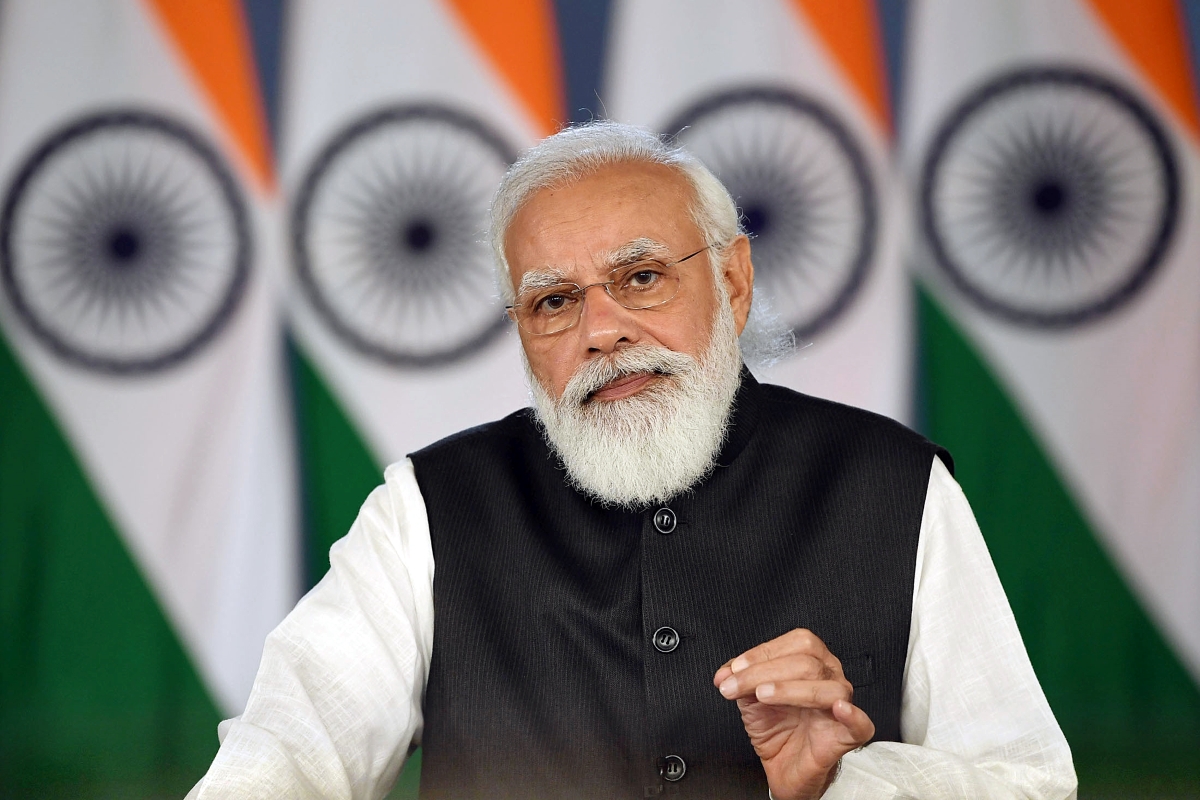
India has officially joined 124 other nations in adopting the World Health Organization’s landmark Pandemic Agreement, a global framework aimed at strengthening preparedness and coordination for future health emergencies. The announcement came during the 78th World Health Assembly held in Geneva, marking a critical step toward global health resilience.
In his virtual address to the assembly, Prime Minister Narendra Modi emphasized the urgent need for inclusivity in global health governance, stating, “The future of a healthy world depends on inclusion, and the health of the world depends on how well we care for the most vulnerable—especially in the Global South, which bears a disproportionate share of health challenges.”
The WHO Pandemic Agreement outlines mechanisms for improved international cooperation in pandemic prevention, response, and equitable access to vaccines, diagnostics, and therapeutics. It was formally approved by vote, with 124 member states in favor and 11 abstaining—none opposing.
Congratulating the WHO and the Intergovernmental Negotiating Body (INB) on reaching a consensus, the Prime Minister highlighted India’s ongoing healthcare reforms. He cited initiatives like Ayushman Bharat, which provides free healthcare coverage to over 580 million Indians, and Jan Aushadhi Kendras, which offer essential medicines at reduced prices.
He also pointed to India’s vast network of Health and Wellness Centres that provide screening for non-communicable diseases, as well as its digital health platforms that track maternal and child vaccination records, insurance coverage, and service delivery.
India’s support for the treaty reflects its growing leadership in global health and its push for equitable frameworks that include the voices and needs of developing nations.
Notably absent from the final agreement was the United States, which earlier this year withdrew financial support for the WHO—raising concerns about funding and global commitment moving forward.
The newly adopted treaty aims to avoid the shortcomings of past global responses and foster a unified approach to future health threats. As the Prime Minister concluded, the path to a healthier world begins with solidarity—and ensuring no nation is left behind.