
India accelerates battle against tuberculosis with homegrown diagnostic breakthroughs
Among the newly validated tools is the Quantiplus MTB FAST detection kit, developed by Huwel Lifesciences in Telangana. Unlike conventional assays tied to proprietary platforms, this open-system RT-PCR test works with any standard PCR machine, making it accessible to diagnostic laboratories across the country. According to ICMR, the test can process up to 96 samples in a single run, allowing for high-volume testing and greater efficiency.
- By Newsdesk
- New Delhi
- Oct 05, 2025
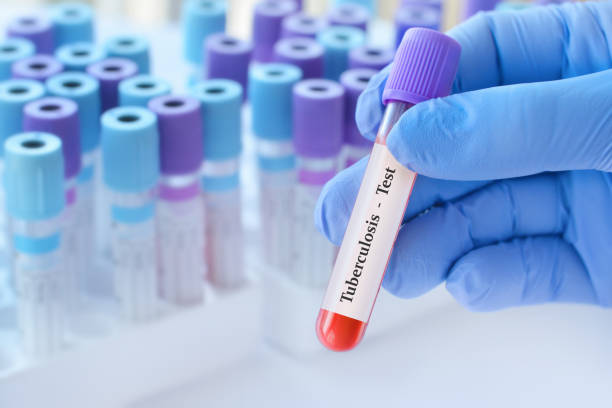
India has taken a major stride in its fight against tuberculosis (TB) as the Indian Council of Medical Research (ICMR) approves indigenously developed diagnostic tests that promise faster detection and lower costs.
Among the newly validated tools is the Quantiplus MTB FAST detection kit, developed by Huwel Lifesciences in Telangana. Unlike conventional assays tied to proprietary platforms, this open-system RT-PCR test works with any standard PCR machine, making it accessible to diagnostic laboratories across the country. According to ICMR, the test can process up to 96 samples in a single run, allowing for high-volume testing and greater efficiency.
Since the Quantiplus kit does not require specialized equipment, it can reduce testing costs by around 20 percent—an important breakthrough for government and private labs working under resource constraints. The affordability and flexibility of this system are expected to significantly expand the reach of molecular TB testing across India.
Another innovation from Huwel, the UniAMP MTB Nucleic Acid Test Card, introduces a less invasive testing method that uses tongue swabs instead of sputum samples. This advancement is particularly beneficial for children, the elderly, and individuals unable to produce sputum, enabling easier and faster sample collection in both clinical and community settings.
ICMR officials emphasized that these developments reflect India’s growing capacity for indigenous innovation in medical diagnostics. Dr. Nivedita Gupta, head of the Communicable Diseases Division at ICMR, stated that such homegrown solutions are essential for improving early detection and closing diagnostic gaps, especially in rural areas.
These new tests complement existing diagnostic platforms like Truenat and PathoDetect, which have already helped decentralize TB screening and treatment monitoring. Together, they strengthen India’s diagnostic infrastructure for identifying both drug-sensitive and drug-resistant TB cases quickly and accurately.
If effectively scaled, these affordable, made-in-India diagnostic tools could revolutionize TB detection nationwide—bringing the country a step closer to its goal of eliminating tuberculosis as a public health threat.