
HPV Fuels Alarming Rise in Cancer Among Young Indians, Say Experts
- By Newsdesk
- New Delhi
- Jun 30, 2025
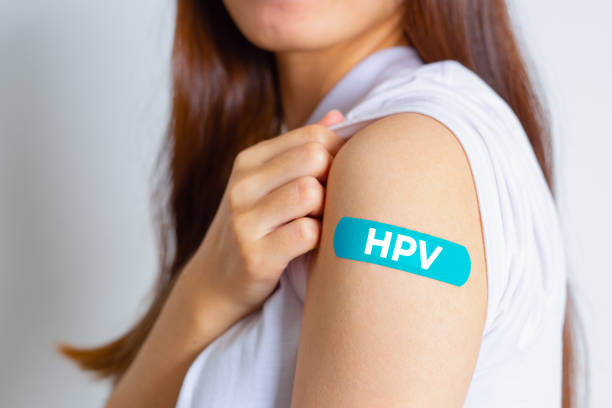
An unsettling trend is emerging in India’s cancer landscape—an increasing number of people in their 20s and 30s are being diagnosed with cancers once thought to affect older adults. Oncologists across the country are raising the alarm, pointing to the Human Papillomavirus (HPV) as a fast-growing and largely preventable cause behind this shift.
Doctors are reporting a surge in HPV-linked cancers, particularly cervical, oral, and throat cancers, among younger patients. What’s especially worrying, they say, is that many of these cases could have been avoided through timely vaccination and early detection.
“HPV-related cancers are now showing up far earlier than we’ve seen before,” said Dr. Ashish Gupta, Chief of Medical Oncology at Amerix Cancer Hospital, New Delhi. “We’re treating patients in their twenties for cancers that are entirely preventable. It’s heartbreaking because awareness and vaccination could have changed the outcome.”
HPV is one of the most common viruses transmitted through intimate skin contact. While most infections resolve on their own, some strains can linger and eventually lead to cancer—especially cervical cancer in women and oral and throat cancers in both sexes. The virus often goes unnoticed, as early symptoms are either mild or completely absent, making it a silent threat.
“Many young patients don’t realise they’re at risk,” explained Dr. Shubham Garg, Senior Oncologist at Dharamshila Narayana Superspeciality Hospital. “Cervical cancer, for instance, can develop without obvious symptoms, and by the time we catch it, the disease is already advanced.”
Despite the known link between HPV and cancer, India has yet to implement a national vaccination programme for adolescents. Although the vaccine is available in private clinics, limited access and affordability continue to be major hurdles—compounded by the social stigma associated with a virus transmitted through sexual contact.
Health professionals are now urging urgent action. Their recommendations include introducing a universal HPV vaccination programme for pre-teens, providing catch-up vaccines for older teens and young adults, offering free or affordable screening services, and launching nationwide public awareness initiatives to destigmatise the conversation around HPV.
“We have an opportunity to stop these cancers before they start,” said Dr. Gupta. “HPV screening should become as routine as blood pressure checks. Tests like Pap smears, oral exams, and HPV DNA testing must be made widely available, especially at the district level.”
He also called for expanded insurance coverage and subsidised vaccines, ensuring that cost never becomes a barrier to prevention. “In oncology, it’s rare to have a tool that lets us stop cancer before it even begins. With HPV, we do. We cannot afford to waste that chance.”
Echoing the urgency, Dr. Rahul Bhargava of Fortis Hospital, Gurugram, added, “Every young person vaccinated today is a life potentially saved tomorrow. Prevention isn’t just better than cure—it’s our best and only real defense.”
As cancer cases linked to HPV continue to climb among India’s youth, doctors say the time for debate is over. The focus must now shift to action—before more lives are needlessly lost to a virus we already know how to defeat.
(With inputs from PTI)