
How much screen time is too much in early childhood?
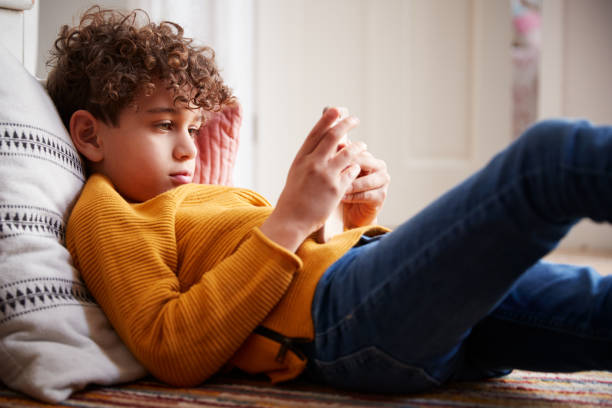
Researchers from the University of Canterbury (UC) investigated the effects of screen exposure on early childhood development.
The researchers assessed children's screen exposure at 9 months, 2 years, 4 years, 5 years, and 8 years of age using data from Aotearoa New Zealand's largest longitudinal study, Growing Up in New Zealand.
The UC researchers compared the amount of time children spent on screens at various stages of childhood to language, early literacy and numeracy skills, and peer-related problems, while also taking maternal education and socioeconomic status into account.
"The children who spent more time on screens throughout early childhood - 9 months to 5 years - scored lower on measures of language and educational ability and higher on parent-reported peer problems at ages 5 and 8," researchers write.
Screen exposure included direct screen time spent watching TV or using a device, as well as indirect screen time spent in a room with the TV turned on but not actively watching.
The UC researchers also assessed the impact of screen time on development as a result of less time spent participating in other activities.
They claim that children who spend a lot of time on screens are less likely to participate in social and sensory-rich activities like playgroups, museums, parks, and cultural events.
"Screen time is only one of many factors that influence children's outcomes, but it is becoming more prevalent." Early childhood is the time when parents have the most influence over their children's habits and is a critical period for establishing healthy habits, so reducing screen time in early childhood can have positive long-term effects on their health."