
GE HealthCare Braces for $500M Tariff Impact, Eyes Local Manufacturing Shift to Offset Costs
Speaking on an earnings call, Chief Financial Officer Jay Saccaro emphasized the company’s intention to increase “local-for-local” production—an approach designed to cut dependency on cross-border supply chains that are now subject to steep tariffs. The market responded positively, with GE HealthCare shares climbing over 3% after the company surpassed analysts’ expectations for quarterly earnings and revenue.
- By Newsdesk
- Bengaluru
- May 01, 2025
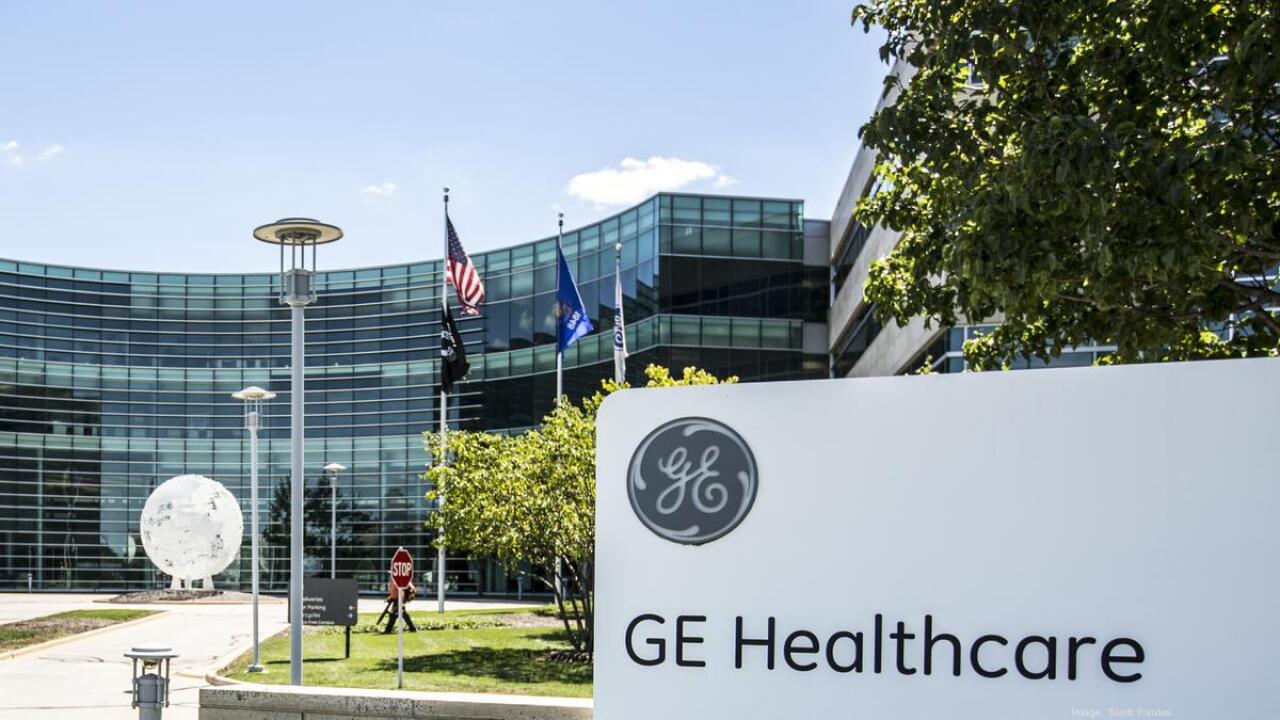
GE HealthCare is preparing for a significant financial hit, estimating that newly reinstated U.S. tariffs could reduce its annual profit by roughly $500 million. In response, the global medical technology leader has announced plans to ramp up local manufacturing efforts as part of a broader strategy to mitigate the economic strain.
Speaking on an earnings call, Chief Financial Officer Jay Saccaro emphasized the company’s intention to increase “local-for-local” production—an approach designed to cut dependency on cross-border supply chains that are now subject to steep tariffs. The market responded positively, with GE HealthCare shares climbing over 3% after the company surpassed analysts’ expectations for quarterly earnings and revenue.
To navigate the tariff landscape, GE HealthCare is actively adjusting its operations. Measures include reducing imports between the U.S. and China, diversifying its sourcing network, and reconfiguring export and component supply chains. CEO Peter Arduini noted that these transitions will take several months to implement but are essential to shielding the company’s margins.
Had these strategic changes not been initiated, the tariff blow to earnings could have been far more severe—up to $1.75 per share. The company now anticipates a reduced impact of approximately 85 cents per share. On an adjusted basis, GE HealthCare has revised its full-year earnings forecast to a range of $3.90 to $4.10 per share, down from its previous guidance of $4.61 to $4.75.
Much of the current pressure stems from U.S. policies aimed at curbing reliance on Chinese imports. Tariffs imposed by former President Donald Trump—many of which have been reinstated—have particularly affected the pharmaceutical and medical device sectors. Of the $500 million tariff burden facing GE HealthCare, about $375 million is linked directly to U.S.-China duties, according to Saccaro.
China remains a critical market for GE HealthCare, accounting for roughly 12% of its 2024 revenue. The company operates 43 manufacturing sites across 17 countries, including China, giving it some flexibility in reorienting its supply chains.
Looking ahead, GE HealthCare expects the tariff headwinds to ease slightly in 2026. In the meantime, the company is exploring trade exemptions under the United States-Mexico-Canada Agreement (USMCA), which could potentially shield some of its products from the renewed duties.
Industry analysts noted that GE HealthCare’s revised outlook may err on the side of caution. J.P. Morgan’s Robbie Marcus described the forecast as “very conservative,” anticipating that retaliatory tariffs could revert to their pre-suspension levels by July. BTIG’s Ryan Zimmerman echoed the sentiment, calling the guidance a “worst-case scenario” given the uncertainty surrounding future trade negotiations.
As the global trade environment continues to shift, GE HealthCare’s efforts to localize manufacturing and diversify its supply chains signal a proactive approach to maintaining resilience and sustaining growth.
(With Inputs from Reuters)