
Extreme heat can be dangerous for people living with dementia: Research
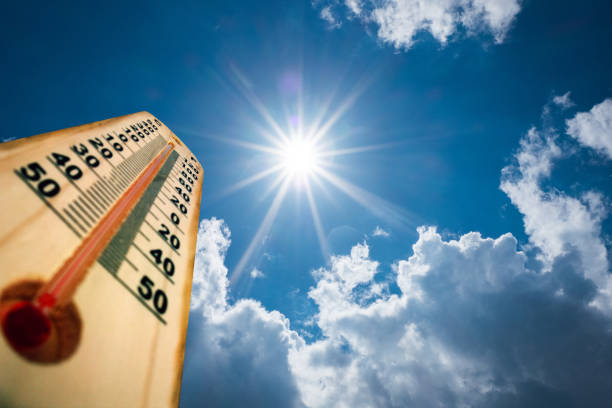
Extreme heat can have adverse effects on the health of individuals, and this risk is further amplified for those living with dementia.
Studies indicate that older adults are particularly susceptible to heat-related illnesses, and individuals with dementia face an even higher risk. Research suggests that people with dementia may struggle to accurately assess weather conditions and regulate their body temperature effectively when exposed to heat.
Jennifer Reeder, Director of Education and Social Services at the Alzheimer's Foundation of America, explains that individuals with dementia may not be able to recognize when they are becoming too hot or understand the need to drink fluids and seek shade. This vulnerability is significant considering that nearly six million Americans have Alzheimer's disease and related dementias, with the majority being over the age of 65. Additionally, approximately one-quarter of people living with dementia reside alone, according to the CDC.
Reeder emphasizes the importance of checking in on loved ones with dementia during heatwaves, especially if you are unable to be physically close to them. She advises finding someone nearby who can provide regular check-ins and support.
Leaving the house during periods of extreme heat should be minimized for individuals with dementia. Older adults have more sensitive skin, increasing the risk of sunburn and heatstroke. Moreover, certain medications commonly used by this population can further heighten sensitivity and increase the need for hydration.
Reeder suggests planning ahead when going outside with a loved one, particularly for extended periods. This includes identifying cooling stations along the way and considering the distance to be covered.
While maintaining an active social life is important for individuals with dementia, Reeder recommends holding activities indoors whenever possible to mitigate the risks of heat exposure.
The Alzheimer's Association advises individuals accompanying a loved one outside to ensure they wear loose, light clothing, a hat, and apply sunscreen with a minimum SPF of 30. Recognizing the signs of heat exhaustion is crucial to prevent heatstroke. Dehydration may be difficult to detect in individuals with Alzheimer's and other dementias, as typical signs like fatigue, dry mouth, and headaches may be challenging to notice. Some medications can also reduce sweating, so it is essential to monitor for signs of overheating even if sweating is minimal.
By being mindful of these precautions and taking proactive measures, we can help protect individuals with dementia from the dangers associated with extreme heat.