
Early indicators of autism may be identified in fetal brain scans
- By Newsdesk
- London
- Apr 27, 2023
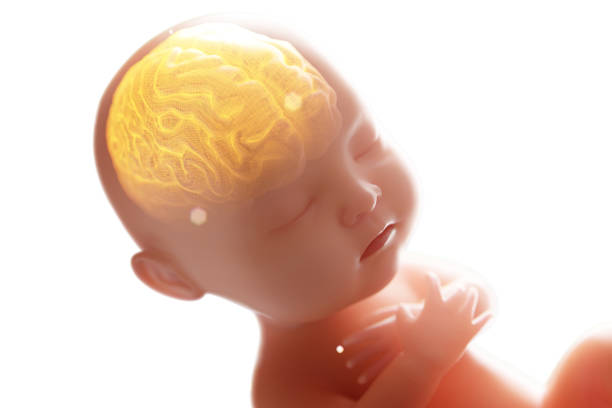
Researchers measured neurodevelopment and investigated the presence of autism traits in children with isolated foetal ventriculomegaly using MRI brain scans.
King's researchers from the Centre for the Developing Brain discovered evidence supporting an association between isolated ventriculomegaly and autism traits in a paper published in Nature Communications.
The study followed two groups of children, one with a normal foetal brain MR assessment and the other with an antenatal diagnosis of isolated ventriculomegaly, with developmental follow-up assessments at 2 and primary school ages.
Participating children were scanned as foetuses and then tested for IQ, autism traits, sustained attention, neurological functioning, behaviour, executive function, sensory processing, co-ordination, and adaptive behaviours.
The children who took part in the study were scanned as foetuses and then tested for IQ, autism traits, sustained attention, neurological functioning, behaviour, executive function, sensory processing, co-ordination, and adaptive behaviours.
This study found a link between the most common developmental foetal brain anomaly and autism symptoms. The findings may improve family counselling and aid in early identification, support, and intervention, with additional research needed to confirm preliminary findings in a larger population.