
Delhi Faces Severe Pollution Crisis: Air 60 Times More Toxic Than WHO Limit
Dangerous PM2.5 particulate matter — known for its potential to cause cancer and other severe health issues — spiked to 907 micrograms per cubic meter, as per IQAir monitors.
- By Newsdesk
- New Delhi
- Nov 18, 2024
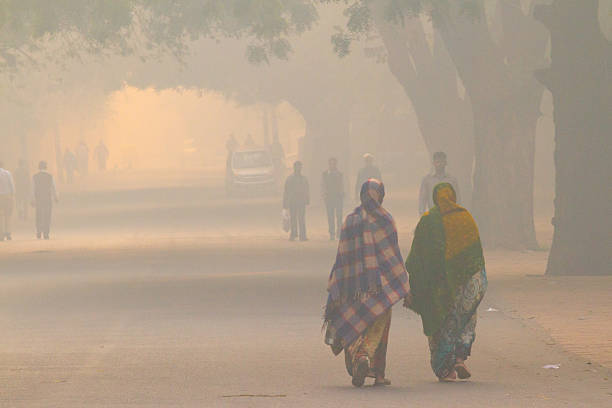
New Delhi is grappling with hazardous air quality, with pollution levels 60 times higher than the safe limits set by the World Health Organization (WHO), according to a recent report. On Monday, a dense blanket of smog engulfed northern India, pushing the capital’s air quality to its worst levels of the year.
Air Quality Plunges to Alarming Levels
The Air Quality Index (AQI) in Delhi reached 483 at 7 am, falling into the 'severe plus' category, as reported by the Central Pollution Control Board. Dangerous PM2.5 particulate matter — known for its potential to cause cancer and other severe health issues — spiked to 907 micrograms per cubic meter, as per IQAir monitors. WHO guidelines consider levels above 15 micrograms in a 24-hour period unhealthy.
Some monitoring stations recorded even higher PM2.5 levels, with one showing a staggering 980 micrograms per cubic meter — 65 times the recommended maximum.
Health Concerns and Environmental Woes
Residents reported breathing difficulties and eye irritation as toxic foam floated in the Yamuna River near Kalindi Kunj. The crisis is particularly dire for children and the elderly, with smog contributing to thousands of premature deaths annually. Despite piecemeal efforts, authorities have struggled to implement effective solutions to curb the city's long-standing air pollution woes.
Supreme Court Questions Delayed Action
The Supreme Court criticized the Delhi government on Monday for its delayed implementation of strict anti-pollution measures under the Graded Response Action Plan (GRAP). A bench of Justices Abhay S Oka and Augustine George Masih expressed concern over the lack of timely enforcement of GRAP-4 protocols, which include banning heavy vehicles and halting construction at public project sites.
“Once the AQI crosses 300, stage 4 must be invoked immediately. Delays in such critical matters are unacceptable,” the bench stated. The court emphasized that preventive measures under GRAP-4 must remain in place until it grants permission to scale them down, even if AQI levels fall below 450.
The Commission for Air Quality Management (CAQM) announced the implementation of GRAP-4 measures starting Monday morning. These include banning truck entry into Delhi and halting construction activities at public sites. The government has assured the court that it will take robust steps to address the crisis.
The Supreme Court plans to further review the matter later in the day, signaling the urgent need for stricter enforcement to mitigate the city’s escalating pollution levels.