
Chennai Hospital Begins Groundbreaking Trial of Overnight Lenses to Curb Childhood Myopia
The innovative lenses, known as orthokeratology or "ortho-k" lenses, are rigid and gas-permeable, worn only during sleep. By gently applying hydraulic pressure to the eye’s tear film, they temporarily reshape the cornea, correcting refractive errors and allowing users to see clearly throughout the day without any visual aids.
- By Newsdesk
- Chennai
- Jun 10, 2025
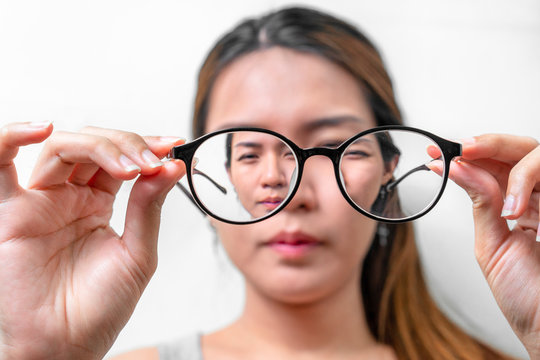
In a pioneering step towards combating the alarming rise in childhood myopia, city-based Dr Agarwals Eye Hospital has launched a clinical study to test specially designed contact lenses that reshape the cornea overnight, potentially eliminating the need for daytime glasses or lenses. The trial, conducted in collaboration with Japan’s Menicon Co. Ltd, will involve 200 children and span over 18 months.
The innovative lenses, known as orthokeratology or "ortho-k" lenses, are rigid and gas-permeable, worn only during sleep. By gently applying hydraulic pressure to the eye’s tear film, they temporarily reshape the cornea, correcting refractive errors and allowing users to see clearly throughout the day without any visual aids.
“Myopia has grown into a major public health concern in India,” said Dr. Ashvin Agarwal, Chief Clinical Officer at Dr Agarwals Eye Hospital. “Its prevalence has surged from just 4% in 1999 to 21% in 2019. By 2040, we anticipate it will impact 40% of the population — and nearly half of all Indians by 2050. This study aims to slow that trajectory.”
Myopia, or near-sightedness, causes distant objects to appear blurry, affecting activities such as driving, reading from a chalkboard, or recognising faces. It is particularly common in children, now exacerbated by prolonged screen time. According to Dr Agarwal, 50–60% of Indian children are already experiencing symptoms of digital eye strain.
Much like dental retainers that maintain the alignment of teeth, ortho-k lenses help the eye retain a corrected shape temporarily. “Worn every night, these lenses reshape the cornea so that, upon removal in the morning, vision remains sharp without corrective eyewear,” explained Dr Agarwal. “Our trial will help determine which children benefit most, and whether there are any side effects over extended use.”
The clinical trial, initiated in February, will evaluate both the safety and effectiveness of ortho-k lenses among Indian children. Menicon’s Regional Director for China and Asia-Oceania, Shunsuke Yamagishi, said the partnership aims not just to advance research but also to raise awareness and develop accessible treatment pathways.
The lenses will not be available commercially until the study concludes and doctors are satisfied with the results. However, experts believe that if successful, this technology could mark a transformative shift in how myopia is managed — possibly even paving the way toward a long-term solution.
“If this works as we hope, it could mean true freedom from glasses for children,” said Dr Agarwal, “and perhaps a future where we can finally reverse the tide of myopia.”
(With inputs from TNN)