
CDSCO Unveils Draft Guidelines for Medical Device Software; Industry Seeks Clarity on AI and ML Evaluation Frameworks
According to the CDSCO, the guidance has been developed to align India’s medical device software regulations with globally harmonized practices. Stakeholders have been given 30 days to submit their comments on the draft before it is finalized.
- By Newsdesk
- New Delhi
- Oct 22, 2025
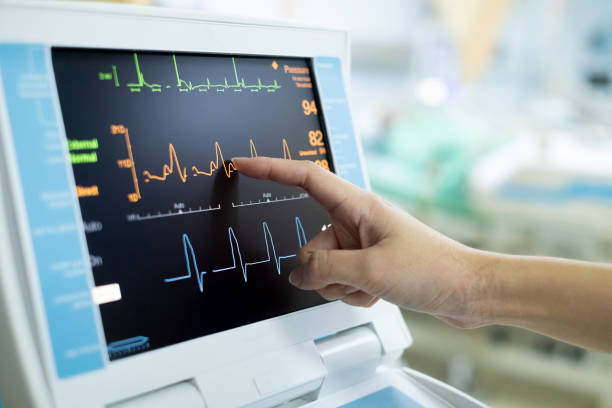
India’s medical-device regulator, the Central Drugs Standard Control Organization (CDSCO), has issued a draft of updated guidance governing medical-device software, marking an important step in modernising oversight of digital healthcare tools in the country. While the industry has welcomed the move, it is also calling for greater clarity on how artificial intelligence (AI) and machine learning (ML) powered devices will be evaluated.
The 76-page draft, released under the supervision of the Drugs Controller General of India (DCGI), lays out a refreshed regulatory framework for software embedded in medical devices (SiMD) and standalone software classified as medical devices (SaMD). It provides updated definitions, classifications, technical documentation requirements, quality management system (QMS) standards, and licensing procedures for both imported and domestically manufactured products. The document also details performance evaluation and clinical investigation protocols relevant to in-vitro diagnostic (IVD) software.
According to the CDSCO, the guidance has been developed to align India’s medical device software regulations with globally harmonized practices. Stakeholders have been given 30 days to submit their comments on the draft before it is finalized.
The Medical Technology Association of India (MTaI) has described the move as a welcome step, commending the regulator’s effort to keep pace with the rapidly evolving digital health landscape. However, the association emphasized the need for more detailed protocols to evaluate AI and ML-based devices, particularly in terms of algorithm change management and performance validation. It also urged the regulator to ensure proportional compliance requirements, especially for lower-risk software, to promote innovation and smooth implementation.
Pavan Choudary, Chairman of MTaI, said the new draft reflects CDSCO’s commitment to fostering safe and globally competitive MedTech software solutions from India, setting a strong foundation for innovation in digital health technologies.
India’s existing framework for medical-device software originates from the Medical Devices Rules, 2017, which outlines general standards for both SiMD and SaMD. With rapid technological advances in AI-driven diagnostics and digital health, regulators worldwide are being pressed to update their frameworks. This new draft aims to bring India’s system closer to international standards, providing clearer regulatory pathways for developers and manufacturers while improving the country’s readiness for global market participation.
The guidance is now open for public consultation, giving stakeholders across the medical-device ecosystem—manufacturers, healthcare professionals, and patient groups—an opportunity to shape the final document. Areas expected to draw particular attention include the definition and monitoring of clinical evaluation standards for AI/ML-based tools, regulation of algorithm updates post-market, proportional risk-based regulation for different software categories, and alignment with international standards such as those of the International Medical Device Regulators Forum (IMDRF).
The updated framework could represent a significant milestone for India’s MedTech sector, offering clearer regulatory expectations for digital health innovators. However, the true impact will depend on the final version and how effectively it addresses the complex regulatory challenges posed by AI and machine learning technologies in medical devices.